Electric Car vs Petrol Car Running Cost in India 2026: The Complete Comparison
Let’s cut straight to it — running an electric car in India costs about ₹1 to ₹1.50 per kilometre. A petrol car? ₹6 to ₹9. That’s not a typo. You’re literally spending 5 to 7 times more on fuel if you’re still on petrol.
But here’s the thing. Every EV article throws these numbers at you without context. “Save money! Go green!” Yeah, cool. But what about insurance? Maintenance? What happens when you try to sell the thing in 5 years?
I wanted to do a proper, no-BS breakdown. Real numbers. Indian prices. Not some imported American comparison that doesn’t apply here.
The Fuel Math (This Is Where EVs Absolutely Crush It)
Let’s say you drive 40 km a day. That’s a pretty standard commute in any Indian city — Pune, Bangalore, Hyderabad, whatever.
With a Tata Punch EV: You’re using roughly 15 kWh per 100 km. At home charging rates of ₹6-8 per unit, that’s about ₹36-48 per day. Your monthly fuel bill? Around ₹1,200.
With a Maruti Brezza: Real-world city mileage is about 17 km/l (let’s be honest, no one gets the claimed figure in traffic). At ₹104/litre, you’re spending ₹244 per day. Monthly? ₹7,300.
That’s a ₹6,000 difference. Every single month. ₹72,000 a year. Just sitting in your pocket instead of going to the petrol pump.
Maintenance — This One Surprised Me
I always assumed EVs and petrol cars cost roughly the same to maintain. I was wrong.
Think about what a petrol car has: engine oil, oil filter, air filter, spark plugs, timing belt, clutch plates, exhaust system, transmission fluid. An EV has… none of that. It’s basically a giant battery connected to a motor. There’s almost nothing to break.
Annual maintenance for an EV runs about ₹5,000 to ₹8,000. For a petrol car, you’re looking at ₹15,000 to ₹30,000 — and that’s if nothing major goes wrong.
Oh, and brake pads? EVs have regenerative braking. The motor slows the car down and charges the battery at the same time. Your brake pads barely get used. Some EV owners go 3-4 years without changing them.
The 5-Year Math (Where It Gets Interesting)
Here’s the part nobody talks about — the total picture over 5 years. Let’s compare the Tata Punch EV (₹10.99 lakh) against the Maruti Brezza (₹8.29 lakh), assuming 15,000 km/year:
| What You’re Paying For | Punch EV | Brezza |
|---|---|---|
| Buying the car | ₹10,99,000 | ₹8,29,000 |
| Fuel/charging over 5 years | ₹82,500 | ₹4,58,800 |
| Maintenance over 5 years | ₹32,500 | ₹1,12,500 |
| Insurance over 5 years | ₹1,50,000 | ₹1,20,000 |
| Road tax | ₹0 (exempt!) | ₹66,320 |
| Total | ₹13,64,000 | ₹15,86,620 |
Read that again. The EV costs ₹2.7 lakh MORE upfront, but ends up ₹2.2 lakh CHEAPER over 5 years. The breakeven hits somewhere around year 2.5 to 3.
After that, every kilometre you drive is basically putting money back in your pocket compared to petrol.
Now for the Honest Part — Where Petrol Still Wins
I’m not going to pretend EVs are perfect. There are legitimate reasons someone might stick with petrol right now:
Resale value. This is the big one. EV resale is currently 15-20% lower than equivalent petrol cars after 3 years. The used EV market in India is still tiny. People are nervous about battery health. This WILL improve, but right now, it’s real.
Insurance is slightly higher. About 10-15% more for an EV. Battery replacement costs spook insurance companies. Not a dealbreaker, but worth knowing.
If you drive very little. Under 8,000 km a year? The fuel savings don’t add up fast enough to offset the higher purchase price. In that case, a petrol car might actually be the rational choice.
Charging — It’s Way Simpler Than You Think
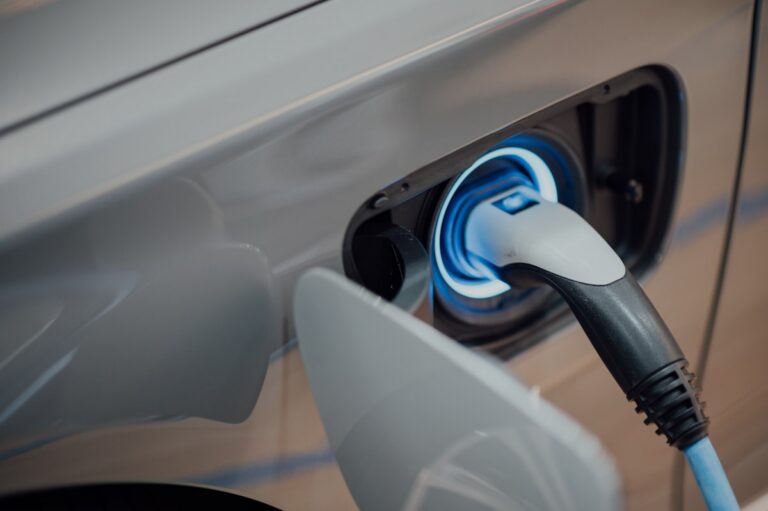
I keep hearing people say “but where will I charge?” Here’s the reality: 90% of EV owners in India charge at home. Plug in when you get home, car’s full by morning. It’s like charging your phone — you don’t think about it.
India now has over 12,000 public charging stations, growing 30% every year. But honestly, unless you’re doing highway trips regularly, you’ll barely use them.
State Subsidies — Free Money You Should Know About
- Delhi: Up to ₹1.5 lakh off + no road tax
- Maharashtra: Road tax and registration waived
- Gujarat: ₹1.5 lakh subsidy
- Karnataka: Road tax exempt
- Rajasthan: SGST reimbursement
Depending on where you live, these subsidies can knock ₹50,000 to ₹2 lakh off the price. Combined with the running cost savings, the math becomes pretty hard to argue with.
So… Should You Switch?
If you drive 10,000+ km a year, can charge at home, and plan to keep the car for 4+ years — yes. The numbers don’t lie. An EV is the smarter financial move in India in 2026.
If you drive very little, live in an area with zero charging, or flip cars every 2 years — stick with petrol for now. No shame in that.
But the gap is closing fast. And once you drive an EV — the instant torque, the silence, the ₹200 “fill up” — going back to petrol feels… wasteful.
Related: Electric Vehicles in India: The Complete 2025 Guide for Every Buyer