EV Charging at Home in India: Complete Setup Guide, Costs & Tips (2026)
Setting up EV charging at home costs anywhere from ₹0 to ₹50,000 — and I know that’s a wide range, so let me explain. If you just use the portable charger that comes free with your car and plug it into an existing 15A socket, it costs you literally nothing. If you want a fancy wall-mounted fast charger, you’re looking at ₹15K-50K installed.
Here’s what most people don’t realize: 90% of EV owners in India charge at home. Not at public stations. Not at malls. At home, overnight, while they sleep. It’s as simple as charging your phone — you just plug in before bed.
But I get it. There are genuine questions. Will it spike my electricity bill? Is it safe to leave charging overnight? What if I live in an apartment? Let’s go through all of it.
Three Ways to Charge at Home (You Probably Only Need the First One)
Option 1: Your Existing Wall Socket — ₹0
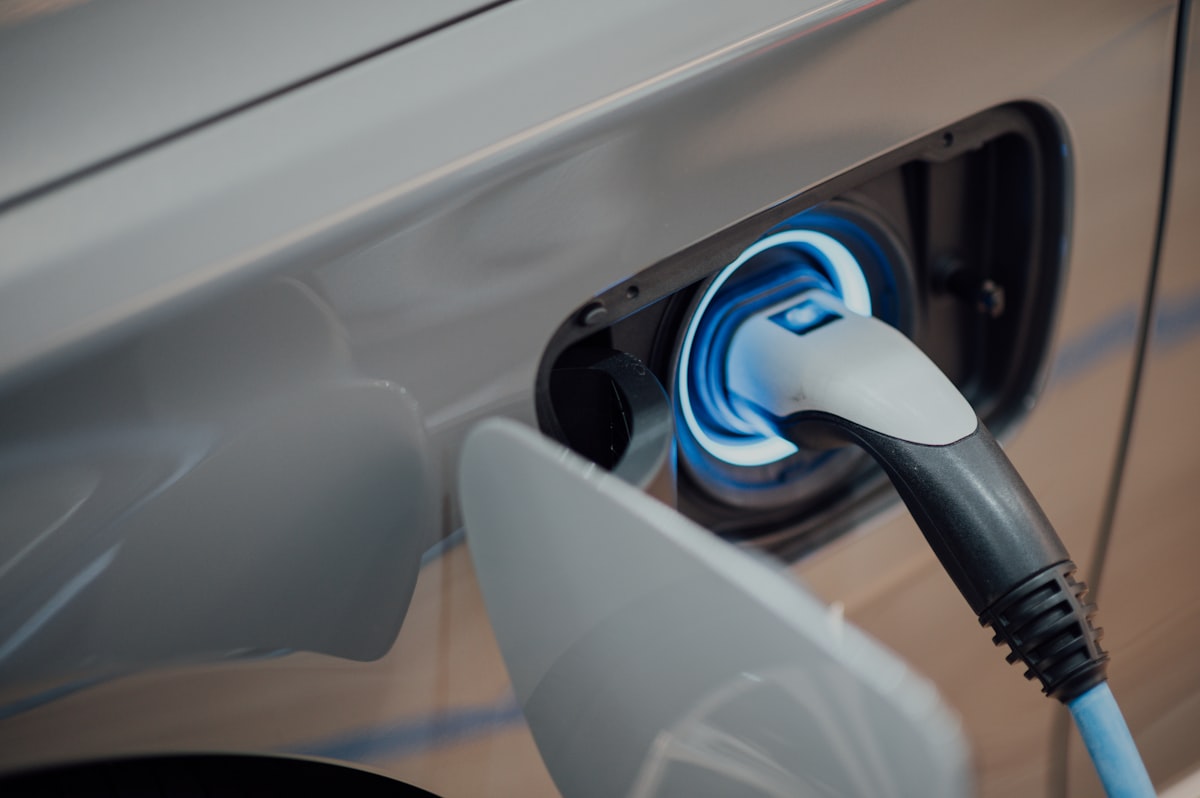
Every EV in India — Tata, MG, Hyundai, all of them — comes with a portable charger in the box. It plugs into any standard 15A socket. The same socket your AC or washing machine uses.
Yes, it’s slow. A full charge takes 8-12 hours for a car, 4-6 hours for a scooter. But think about it — if you park at 7 PM and leave at 8 AM, that’s 13 hours. More than enough.
Honestly, most EV owners never upgrade beyond this. It just works.
Option 2: Wall Box Charger — ₹15,000 to ₹50,000
If you want faster charging (4-6 hours instead of 8-12), you can install a dedicated wall charger. This is a small box mounted on your garage wall, connected to a dedicated power line.
Popular options in India:
| Brand | Power | Price | Notes |
|---|---|---|---|
| Tata Power EZ Home | 3.3 kW | ₹18,999 | Most popular in India |
| Ather Dot | 3 kW | ₹15,000 | Great if you have an Ather scooter |
| Exicom Spin Pro | 3.3-7.4 kW | ₹25K-40K | Best if you want future-proofing |
| Havells | 3.3 kW | ₹22,000 | Trusted brand, good after-sales |
My suggestion? Start with the free portable charger for a month. If you find it too slow for your usage, then invest in a wall box. Don’t spend ₹25K on day one just because YouTube told you to.
Option 3: DC Fast Charger — Don’t Even Think About It
Those big fast chargers at public stations? They cost ₹5-15 lakh, need three-phase industrial power, and are completely impractical for home use. If anyone tries to sell you a “home fast charger,” run.
What It Actually Costs to Charge (Real Numbers)
This is what everyone actually wants to know. Here’s the breakdown using typical Indian domestic electricity rates of ₹6-8 per unit:
| Your Vehicle | Battery | Full Charge Cost | Range You Get | Per km |
|---|---|---|---|---|
| Tata Nexon EV | 30.2 kWh | ₹180-240 | ~200 km | ₹0.90-1.20 |
| Tata Punch EV | 25 kWh | ₹150-200 | ~190 km | ₹0.80-1.05 |
| MG Windsor | 38 kWh | ₹228-304 | ~260 km | ₹0.88-1.17 |
| Ola S1 Pro | 4 kWh | ₹24-32 | ~130 km | ₹0.18-0.25 |
| Ather 450X | 3.7 kWh | ₹22-30 | ~105 km | ₹0.21-0.29 |
Look at those scooter numbers. ₹25 for a full charge. That’s less than a cutting chai at most places. You could commute for an entire week for the price of one litre of petrol.
Setting It Up (It’s Easier Than You Think)
If you’re going with Option 1 (portable charger + existing socket), there’s literally nothing to set up. Plug and charge.
For a wall box, here’s what’s involved:
- Check your sanctioned load. Look at your electricity bill. You need at least 3 kW of spare capacity. If your sanctioned load is 5 kW and you’re already using most of it, you’ll need a load enhancement (₹1,000-3,000, takes about a week).
- Get a dedicated circuit installed. Your EV charger needs its own MCB from the distribution board. Don’t share a line with your AC — trust me on this one. Cost: ₹2,000-5,000 for an electrician + wiring.
- Mount the charger. Wall-mounted, near your parking spot, waist height. The electrician handles this. 2-3 hours total.
That’s it. No permits, no government approval, no special wiring. Just a dedicated circuit and a box on the wall.
“But Will My Electricity Bill Go Through the Roof?”
Short answer: no.
A typical EV car driven 1,000 km per month adds about ₹600-1,000 to your monthly bill. An electric scooter adds ₹150-300.
For perspective, running a 1.5-ton AC for 8 hours a day costs more than charging an EV. Your AC is a bigger electricity hog than your car. Let that sink in.
One thing to watch: EV charging can push you into a higher electricity slab if you’re close to the boundary. Some state electricity boards (DISCOMs) now offer separate EV meters to avoid this. Worth asking about.
The Apartment Question
This comes up a lot, so let me address it directly.
If you live in an apartment complex, you have a few options:
- Portable charger from your flat’s power. Run an extension to your parking spot. Not elegant, but some people make it work.
- Dedicated meter at your parking spot. Your DISCOM can install a separate meter. Costs ₹3,000-5,000. You pay only for what you charge.
- Removable battery. Get an EV with a removable battery (Hero Vida V1, BGauss RUV 350+). Carry it upstairs and charge at any socket. This is honestly the cleanest solution for apartments.
- Society-installed charger. More and more RWAs are installing shared EV chargers. If yours hasn’t, maybe suggest it at the next AGM.
Tips From Actual EV Owners
I’ve been lurking in EV owner forums for a while. Here’s what experienced owners wish they knew on day one:
- Don’t charge to 100% every day. Keeping the battery between 20-80% extends its life significantly. Only charge to full before road trips.
- Use the car’s built-in timer. Schedule charging to start at midnight. Electricity rates are sometimes lower at night, and you reduce grid strain.
- Consider solar. A 3 kW rooftop solar system costs about ₹1.5-2 lakh after the government subsidy. It can offset your entire EV charging cost. Yes, you’d literally be driving for free on sunlight.
- Power cuts don’t matter. Charging just pauses and resumes automatically when power comes back. No damage to battery or charger.
- Track your first 3 months. Note your electricity bill before and after getting the EV. Most people are pleasantly surprised at how little it adds.
Bottom Line
Home EV charging is not the complicated, expensive thing people make it out to be. Start with the free charger that comes with your vehicle. Charge overnight. Spend ₹1 per km instead of ₹7.
That’s really all there is to it.
Also read: Electric Car vs Petrol Car Running Cost in India 2026: Complete Comparison