Stuck between the Tata Harrier EV and Mahindra XEV 9e? You’re not alone — both target Indian suv buyers, but the Mahindra XEV 9e fast-charges quicker (175 kW vs 120 kW). Here’s the honest verdict — specs, real-world range, charging, 5-year cost and features, side by side.
Tata Harrier EV vs Mahindra XEV 9e
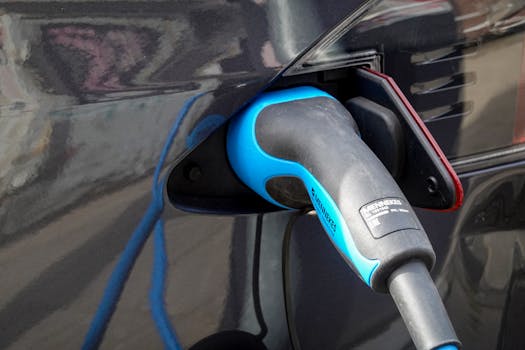
Tata Harrier EV
SUV
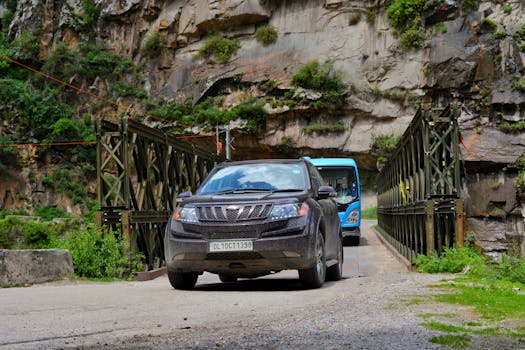
Mahindra XEV 9e
SUV
Detailed spec comparison
| Spec | Tata Harrier EV | Mahindra XEV 9e |
|---|---|---|
| Ex-showroom (Delhi) | ₹2,149,000 | ₹2,190,000 |
| Battery (kWh) | 65 | 59 |
| Range ARAI (km) | 627 | 542 |
| Range real-world (km) | 460 | 410 |
| Motor power (hp) | 160 | 228 |
| Torque (Nm) | 315 | 380 |
| Top speed (km/h) | 180 | 200 |
| 0–100 km/h (sec) | 7.3 | 6.8 |
| Fast charging (kW) | 120 | 140 |
| Fast charge 10→80 (min) | 25 | 20 |
| AC full charge (hrs) | 8.5 | 8.7 |
| Boot space (L) | 502 | 663 |
| Ground clearance (mm) | 200 | 207 |
Green cell = better value for that spec. Based on base/top variant.
All variants & prices
Tata Harrier EV
Mahindra XEV 9e
Last updated: Jun 9, 2026
The verdict in 30 seconds
Pick the Tata Harrier EV if you want lower entry price. Pick the Mahindra XEV 9e if you value longer real-world range and faster DC charging.
What buyers ask
Which has the better real-world range?
ARAI rates the Harrier EV at 627 km and the XEV 9e at 656 km. Our real-world estimate (~75% of ARAI) puts them at 470 km vs 492 km respectively — the XEV 9e edges out by 22 km in mixed city + highway driving.
Which is cheaper to own over 5 years?
Both EVs run at roughly ₹1.0–1.5/km, so the 5-year ownership gap is driven by sticker price and depreciation. The Tata Harrier EV is ~₹0.41L cheaper to start, which typically translates to ₹1.2–1.5L lower 5-year TCO. Use the TCO calculator for your exact variant.
Which is faster to charge?
Peak DC rate is 120 kW for the Harrier EV vs 175 kW for the XEV 9e. 10–80% takes 25 min vs 20 min — the XEV 9e is faster on a long highway stop.
Related comparisons
Last updated: June 2026 · Specs sourced from official manufacturer pages and CarDekho. Real-world range estimates use a 75% ARAI multiplier based on typical Indian conditions.