Electric Car Charging Cost Per Km in India 2026: Complete Breakdown for Home & Public Charging
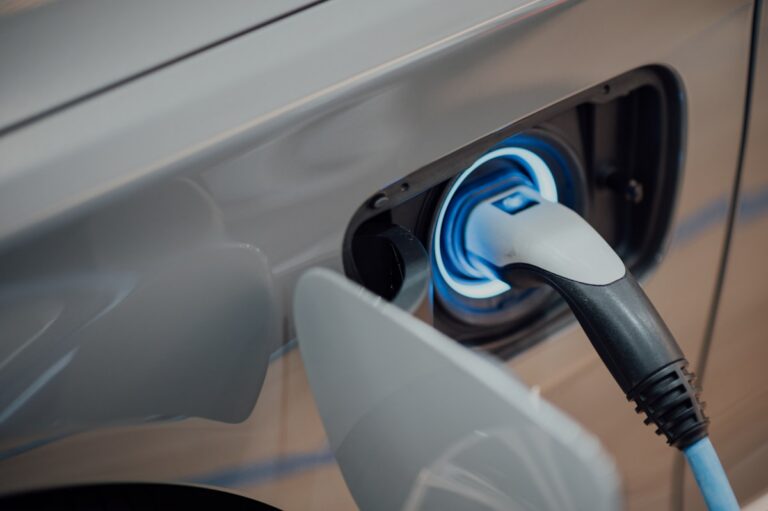
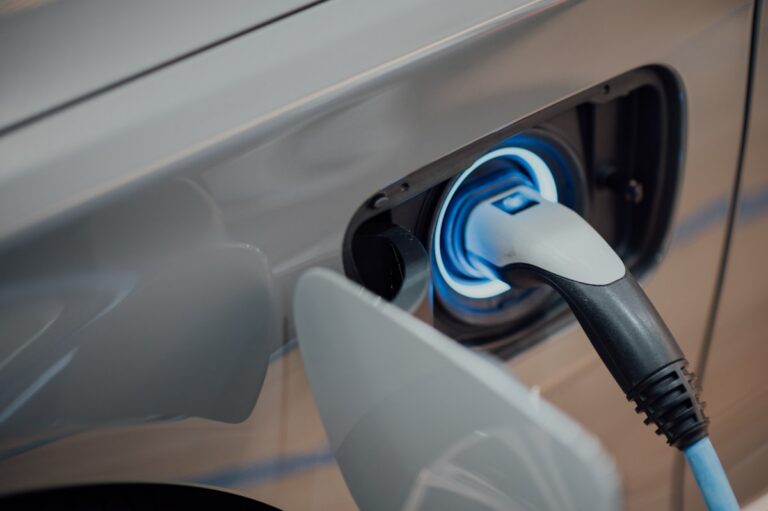
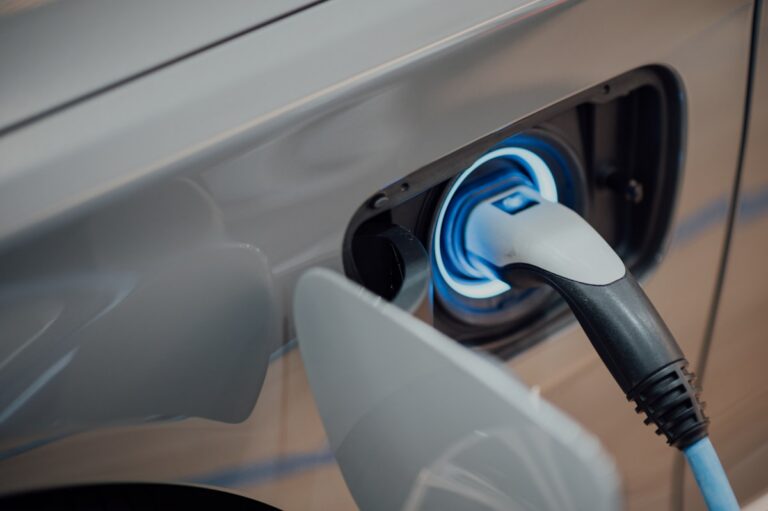
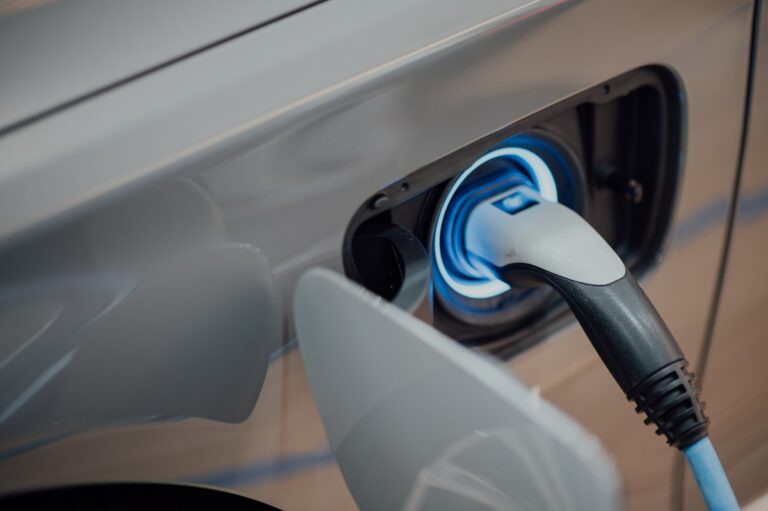
The electric car charging cost per km in India ranges from ₹1.0 to ₹1.8 for home charging and ₹3.5 to ₹5.5 for public DC fast charging in 2026. Compared to petrol cars that cost ₹7–₹10 per km, EVs offer 50–80% savings on running costs. This guide breaks down exact charging costs for popular models like Tata Nexon EV, Tata Punch EV, MG Windsor EV, Mahindra BE 6, and Maruti e Vitara — covering home charging, public charging stations, and real-world tips to minimise your per-km cost.
How Much Does It Cost to Charge an Electric Car in India?
The cost of charging an electric car in India depends on three key factors: your electricity tariff (home charging), the charging station rate (public charging), and your car’s battery capacity and energy efficiency. In 2026, residential electricity rates across Indian states range from ₹3 to ₹8 per unit (kWh), while public charging stations charge ₹12 to ₹25 per kWh depending on the charger type and operator.
According to NITI Aayog’s e-AMRIT portal, the average electric car in India consumes 15–18 kWh per 100 km, translating to a running cost that is dramatically lower than internal combustion engine (ICE) vehicles. The Bureau of Energy Efficiency (BEE) has mandated star-rated EV chargers, further improving charging efficiency across the country.
Electric Car Charging Cost Per Km: Model-Wise Breakdown (2026)
Here is a detailed breakdown of the electric car charging cost per km in India for the most popular EV models available in 2026:
Tata Punch EV
The Tata Punch EV (priced from ₹9.69 lakh) comes with a 25 kWh or 35 kWh battery pack. With a claimed range of 260–350 km and real-world efficiency of approximately 8–9 km/kWh, the home charging cost works out to roughly ₹0.80–₹1.10 per km. On public DC fast chargers (26-minute 10–80% charge), the cost rises to ₹2.50–₹3.50 per km.
Tata Nexon EV
The Nexon EV (from ₹12.49 lakh) features a 40.5 kWh battery with a 325 km claimed range. Real-world data from owners on Team-BHP and other forums suggests an average of ₹1.20 per km with mixed home and public charging. On a 900 km road trip, owners have reported running costs as low as ₹2 per km including highway DC fast charging — still 70% cheaper than a comparable petrol SUV.
MG Windsor EV
The MG Windsor EV (from ₹14.00 lakh) carries a 38 kWh battery and offers a real-world range of around 280–300 km. Home charging cost per km is approximately ₹1.10–₹1.50, while public fast charging (45-minute 10–80%) pushes the cost to ₹3.00–₹4.50 per km.
Mahindra BE 6 & XEV 9e
Mahindra’s new Born Electric platform delivers impressive efficiency. The BE 6 (from ₹18.90 lakh, 557–683 km range) and XEV 9e (from ₹21.90 lakh, 542–656 km range) feature 59–79 kWh battery packs with 175 kW DC fast charging capability (20-minute 10–80% charge). Home charging cost is approximately ₹1.00–₹1.40 per km, and public fast charging costs ₹2.80–₹4.00 per km.
Maruti e Vitara
The newly launched Maruti e Vitara (from ₹15.99 lakh) offers 440–543 km range with efficient energy consumption. Expect a home charging cost of ₹1.00–₹1.50 per km and public charging cost of ₹3.00–₹4.50 per km. Check out our Maruti e Vitara complete buyer’s guide for detailed specs.
Home Charging vs Public Charging: Cost Comparison
The biggest factor determining your electric car charging cost per km in India is where you charge. Here’s a clear comparison:
Home Charging (AC Level 1 & Level 2)
- Electricity rate: ₹3–₹8 per kWh (varies by state and slab)
- Charging time: 6–12 hours (Level 2 with 3.3–7.4 kW charger)
- Cost per km: ₹0.80–₹1.80
- Best for: Daily commuters, overnight charging
States like Delhi, Gujarat, and Maharashtra offer concessional EV tariffs as low as ₹3–₹4 per unit. In comparison, states with higher residential tariffs like Karnataka or Tamil Nadu may see home charging costs closer to ₹5–₹7 per unit.
Public Charging (DC Fast Charging)
- Rate: ₹12–₹25 per kWh (Tata Power, Ather Grid, EESL, ChargeZone)
- Charging time: 20–60 minutes (10–80% SOC)
- Cost per km: ₹2.50–₹5.50
- Best for: Highway trips, emergency top-ups
Major networks like Tata Power EZ Charge, Ather Grid, EESL, and ChargeZone operate over 12,000 public charging stations across India as of early 2026. The Ministry of Heavy Industries targets 46,397 public chargers under PM E-DRIVE scheme.
Electric Car vs Petrol Car: Running Cost Per Km Compared
The running cost difference between electric and petrol cars in India is substantial. If you’re considering the switch, our guide to the best electric cars in India 2026 covers the top options across budgets.
| Parameter | Electric Car (Home Charging) | Petrol Car |
|---|---|---|
| Fuel/Energy Cost per km | ₹1.0–₹1.8 | ₹7.0–₹10.0 |
| Annual Fuel Cost (15,000 km) | ₹15,000–₹27,000 | ₹1,05,000–₹1,50,000 |
| Maintenance Cost (Annual) | ₹3,000–₹6,000 | ₹10,000–₹18,000 |
| Total Running Cost (Annual) | ₹18,000–₹33,000 | ₹1,15,000–₹1,68,000 |
An electric car owner driving 15,000 km per year saves approximately ₹80,000–₹1,35,000 annually on running costs compared to a petrol car owner. Over 5 years, this adds up to ₹4–₹6.75 lakh — often bridging the price gap between an EV and its ICE counterpart.
State-Wise Electricity Tariffs and Impact on EV Charging Cost
India’s electricity tariffs vary significantly by state, directly affecting your electric car charging cost per km. Here are some key examples:
- Delhi: ₹3 per unit for first 200 units (subsidised), making EV charging extremely affordable at under ₹1/km
- Maharashtra: ₹4.50–₹7.50 per unit depending on slab, cost per km ₹1.0–₹1.5
- Gujarat: Special EV tariff of ₹4.10 per unit, cost per km approximately ₹0.90–₹1.20
- Karnataka: ₹5.50–₹7.80 per unit, cost per km ₹1.2–₹1.6
- Tamil Nadu: ₹4.50–₹6.60 per unit, cost per km ₹1.0–₹1.4
For the latest on state-specific EV subsidies and incentives, check our comprehensive EV subsidy India 2026 state-wise guide.
Tips to Reduce Your Electric Car Charging Cost in India
- Charge at home overnight: Home charging is 60–70% cheaper than public DC charging. Use off-peak hours for the lowest tariff slab.
- Install a Level 2 home charger: A 7.4 kW wall-box charger (₹15,000–₹30,000) charges faster and more efficiently than a standard 15A socket.
- Use solar panels: Rooftop solar (4–5 kW system) can reduce your effective charging cost to near zero after payback period of 4–5 years.
- Plan highway stops: Use apps like Tata Power EZ Charge, PlugShare, or ElectricPe to find the cheapest stations along your route.
- Maintain tyre pressure: Under-inflated tyres increase energy consumption by 5–10%, directly raising your per-km cost.
- Drive in Eco mode: Most EVs offer 10–15% better efficiency in Eco mode, reducing cost per km by ₹0.10–₹0.20.
EV Charging Infrastructure in India: 2026 Update
India’s EV charging network has expanded rapidly. Key developments in 2026 include:
- 12,000+ public charging stations operational across major cities and highways
- PM E-DRIVE scheme targeting 46,397 chargers with ₹2,000 crore government investment
- Highway corridors: NHAI has installed chargers every 25–50 km on major expressways including Delhi-Mumbai, Bangalore-Chennai, and Golden Quadrilateral routes
- Charging networks: Tata Power (3,500+ chargers), Ather Grid (2,000+ fast chargers), EESL, ChargeZone, and Statiq expanding aggressively
Frequently Asked Questions (FAQ)
What is the average electric car charging cost per km in India?
The average electric car charging cost per km in India is ₹1.0–₹1.8 for home charging and ₹3.5–₹5.5 for public DC fast charging in 2026. This is 50–80% cheaper than petrol cars, which cost ₹7–₹10 per km.
How much does it cost to fully charge a Tata Nexon EV at home?
A full home charge of the Tata Nexon EV (40.5 kWh battery, 0–100%) costs approximately ₹200–₹325 depending on your state’s electricity tariff (₹5–₹8 per unit). This provides a real-world range of 250–300 km.
Is home charging cheaper than public charging for electric cars?
Yes, home charging is significantly cheaper — typically 60–70% less expensive than public DC fast charging. Home charging costs ₹3–₹8 per kWh compared to ₹12–₹25 per kWh at public stations.
How much money can I save by switching from petrol to electric?
An average driver covering 15,000 km/year can save ₹80,000–₹1,35,000 annually by switching from a petrol car to an electric car, considering both fuel and maintenance savings.
Which Indian state has the cheapest EV charging?
Delhi offers the cheapest home EV charging in India with subsidised electricity rates as low as ₹3 per unit for the first 200 units, resulting in a charging cost under ₹1 per km. Gujarat also offers a special EV tariff of ₹4.10 per unit.
How long does it take to charge an electric car in India?
Home charging (Level 2, 7.4 kW) takes 6–8 hours for a full charge. Public DC fast charging (50–150 kW) can charge 10–80% in 20–60 minutes depending on the car model and charger capacity.