Tata Punch EV vs Tata Nexon EV Comparison 2026: Price, Range, Features & Which One Should You Buy?
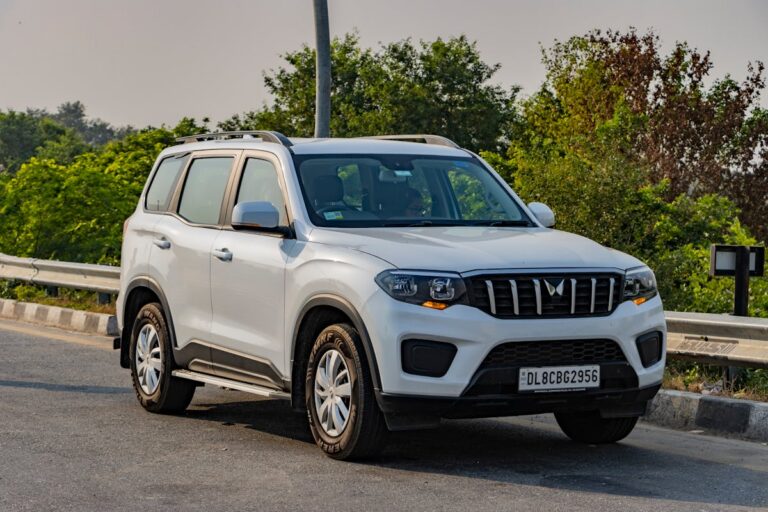
The Tata Punch EV vs Tata Nexon EV comparison is the most searched electric car face-off in India right now. The Punch EV starts at ₹9.69 lakh and offers up to 421 km range, while the Nexon EV begins at ₹12.49 lakh with up to 489 km range. If you’re deciding between Tata’s two best-selling electric SUVs in 2026, this comprehensive comparison covers price, range, battery, charging, features, safety, running cost, and real-world performance to help you make the right choice.
Tata Punch EV vs Tata Nexon EV: Quick Comparison Overview
Both the Tata Punch EV and Tata Nexon EV are built on Tata’s proven acti.ev (formerly Ziptron) electric architecture. They share DNA but target different buyers. The Punch EV is India’s most affordable electric SUV, while the Nexon EV is the country’s best-selling electric car with over 1 lakh units sold since launch. Here’s how they stack up in 2026:
| Specification | Tata Punch EV (2026 Facelift) | Tata Nexon EV |
|---|---|---|
| Starting Price (ex-showroom) | ₹9.69 Lakh | ₹12.49 Lakh |
| Top Variant Price | ₹14.50 Lakh | ₹17.49 Lakh |
| Battery Options | 25 kWh / 35 kWh | 30 kWh / 40 kWh / 45 kWh |
| Max Range (MIDC) | 421 km (LR) | 489 km (LR 45 kWh) |
| Motor Power | 122 bhp / 190 Nm | 142 bhp / 215 Nm |
| Fast Charging (20-80%) | 26 minutes | 36 minutes |
| Battery Warranty | Lifetime (15 years, first owner) | 8 years / 1.6 lakh km |
| Boot Space | 366 litres | 350 litres |
| Safety Rating | 5-star (Global NCAP) | 5-star (Global NCAP) |
Price Comparison: Tata Punch EV vs Nexon EV
The Tata Punch EV vs Tata Nexon EV comparison starts with a significant price difference of approximately ₹2.80 lakh at the base level. The 2026 Punch EV Facelift starts at ₹9.69 lakh (ex-showroom) and goes up to ₹14.50 lakh for the top-spec Long Range variant. The Nexon EV, being a larger and more powerful vehicle, ranges from ₹12.49 lakh to ₹17.49 lakh.
For budget-conscious buyers, the Punch EV offers the lowest entry point into Tata’s electric ecosystem. However, when you compare the top-spec Long Range variants of both cars, the price gap narrows to about ₹3 lakh — at which point the Nexon EV’s extra power, range, and space become compelling. According to FADA registration data, the Nexon EV accounts for nearly 60% of all electric car sales in India’s ₹10-20 lakh segment, demonstrating strong consumer confidence in its value proposition.
Range and Battery: Which EV Goes Further?
Range anxiety is the biggest concern for Indian EV buyers, making this a critical comparison point. The Tata Punch EV offers two battery options: a 25 kWh Standard Range pack delivering 315 km, and a 35 kWh Long Range pack offering 421 km on a single charge (MIDC cycle). The Nexon EV provides three battery options, with its flagship 45 kWh Long Range battery claiming an impressive 489 km range.
In real-world driving conditions — accounting for air conditioning, city traffic, and highway speeds — expect approximately 20-25% lower range than MIDC claims. This means the Punch EV LR delivers roughly 315-340 km in practice, while the Nexon EV LR manages around 365-390 km. For daily city commutes of 40-60 km, both cars offer comfortable weekly charging cycles. For frequent highway trips, the Nexon EV’s larger battery provides a meaningful advantage, especially on routes like Delhi-Jaipur (280 km) or Mumbai-Pune (150 km).
Performance and Driving Experience
The Tata Nexon EV clearly wins on raw performance. Its motor produces 142 bhp and 215 Nm of torque compared to the Punch EV’s 122 bhp and 190 Nm. The Nexon EV accelerates from 0-100 km/h in approximately 8.9 seconds, while the Punch EV takes around 10.2 seconds. Both are impressively quick compared to their petrol counterparts.
However, the Punch EV’s lighter kerb weight (around 1,305 kg for LR vs the Nexon EV’s 1,560 kg) makes it feel nimble and agile in city driving. Its tighter turning radius of 5.2 metres vs the Nexon EV’s 5.3 metres is a small but noticeable advantage in congested urban areas like Bengaluru, Delhi, and Mumbai. The Punch EV’s regenerative braking system offers multiple levels, and both cars feature drive modes (Eco, City, Sport) for customised performance.
Charging Infrastructure and Speed
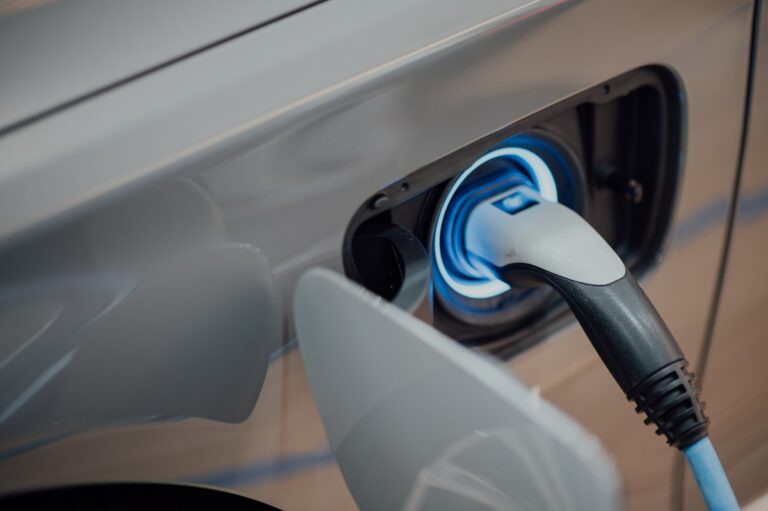
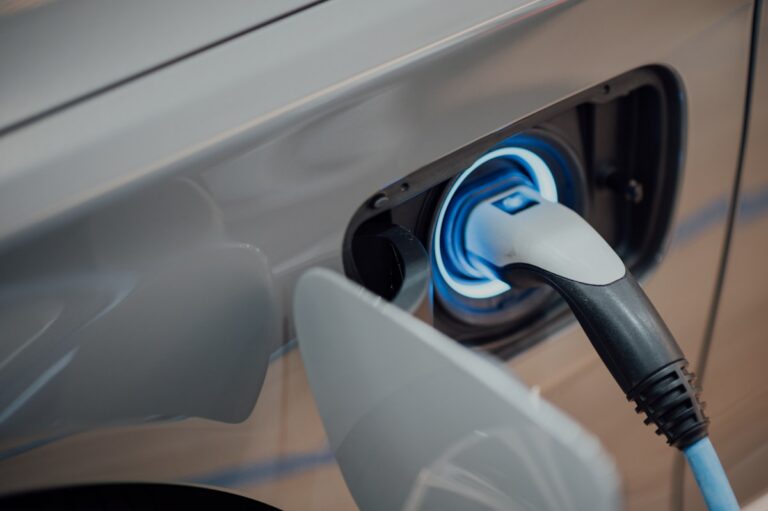
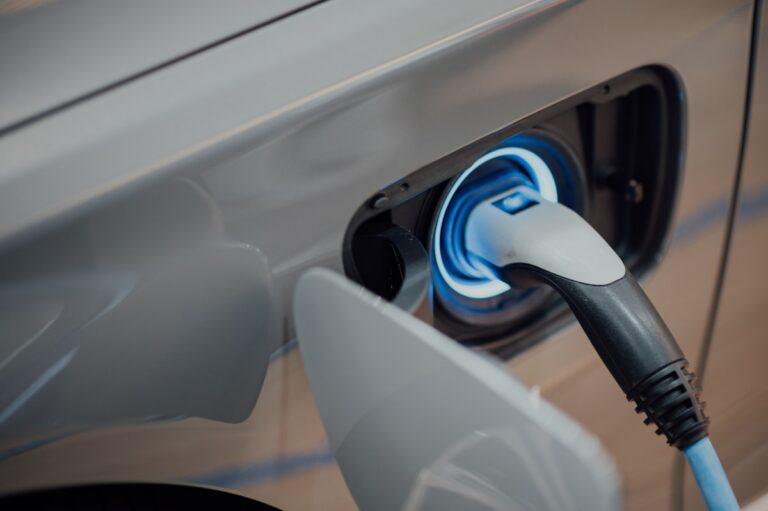
The 2026 Tata Punch EV Facelift has significantly improved its fast-charging capability. It can charge from 20% to 80% in just 26 minutes using a DC fast charger, which is faster than the Nexon EV’s 36-minute fast charge time. In 15 minutes of DC fast charging, the Punch EV gains approximately 135 km of range — enough for most emergency top-ups.
Both vehicles support 3.3 kW and 7.2 kW AC home charging. With a 7.2 kW home charger, the Punch EV (35 kWh) charges fully in about 5 hours, while the Nexon EV (45 kWh) takes approximately 6.5 hours. India’s EV charging network has grown substantially, with over 12,000 public charging stations across the country as of early 2026, according to the Bureau of Energy Efficiency (BEE). Tata’s partnership with Hopcharge also offers on-demand mobile DC charging in Delhi-NCR — a unique advantage for apartment dwellers without dedicated parking. For a complete guide on setting up EV charging at home in India, check our detailed guide.
Running Cost: Tata Punch EV vs Nexon EV Per Kilometre
Electric vehicles offer dramatically lower running costs compared to petrol cars, and both Tata EVs excel here. Based on average residential electricity rates of ₹7-8 per kWh:
- Tata Punch EV (35 kWh, 421 km range): Running cost of approximately ₹0.58-0.67 per km with home charging
- Tata Nexon EV (45 kWh, 489 km range): Running cost of approximately ₹0.64-0.74 per km with home charging
- Equivalent petrol SUV: ₹6-8 per km (at ₹105/litre, 15 km/l mileage)
Both EVs cost roughly 10x less per kilometre than petrol equivalents. The Punch EV has a slight efficiency advantage due to its lighter weight and smaller battery, consuming approximately 8.3 kWh per 100 km compared to the Nexon EV’s 9.2 kWh per 100 km. Over 5 years and 60,000 km, you’d save approximately ₹3.5-4.5 lakh in fuel costs compared to a petrol Nexon. For a detailed running cost breakdown, read our electric car vs petrol car running cost comparison.
Features and Interior: 2026 Tech Showdown
The 2026 Punch EV Facelift has dramatically closed the features gap with the Nexon EV. Both now offer:
- Infotainment: 12.3-inch touchscreen (Punch EV Facelift) vs 12.3-inch touchscreen (Nexon EV) — both with wireless Android Auto and Apple CarPlay
- Digital Cluster: 10.25-inch (both models)
- Connected Car Tech: Tata’s ZConnect suite with over 70 connected features, remote AC, vehicle tracking, and OTA updates
- Ventilated Front Seats: Now available on both (previously Nexon EV exclusive)
- Wireless Charging Pad: Available on both top variants
- Automatic Climate Control: Standard on both
The Nexon EV retains advantages in premium feel: leatherette upholstery, ambient lighting, an air purifier, and a slightly more spacious cabin. The Nexon EV’s rear seat offers better thigh support and an additional 15mm of legroom compared to the Punch EV.
Safety: Both Score 5 Stars
Safety is a strong suit for both vehicles. Both the Tata Punch EV and Nexon EV have achieved 5-star Global NCAP crash test ratings — among the highest for any car in India. Standard safety features across both include:
- 6 airbags
- Electronic Stability Control (ESC)
- All-wheel disc brakes
- ISOFIX child seat anchors
- Tyre Pressure Monitoring System (TPMS)
- Hill Hold and Hill Descent Control
The Nexon EV has a clear edge with Level 2 ADAS (Advanced Driver Assistance Systems) on its top-spec Empowered+ A trim, offering adaptive cruise control, lane departure warning, autonomous emergency braking, and blind spot detection. The Punch EV Facelift may receive ADAS in future updates, but it is not confirmed at launch.
Battery Warranty: Punch EV’s Game-Changer
Perhaps the most significant differentiator in this Tata Punch EV vs Tata Nexon EV comparison is the warranty. Tata Motors has introduced an industry-first lifetime battery warranty for the 2026 Punch EV Facelift — covering the battery for 15 years with unlimited kilometres for the first registered owner. For second owners, the warranty is 8 years or 1.6 lakh km.
The Nexon EV offers a standard 8-year / 1.6 lakh km battery warranty, which is competitive but significantly less generous. This lifetime warranty directly addresses the biggest fear of Indian EV buyers: battery degradation and replacement cost. A replacement battery pack can cost ₹3-6 lakh depending on capacity, so this warranty represents substantial long-term peace of mind.
Which One Should You Buy? Our Verdict
The Tata Punch EV vs Tata Nexon EV decision comes down to your priorities:
Choose the Tata Punch EV (2026 Facelift) if:
- Budget is your primary concern (save ₹2.80+ lakh)
- You primarily drive within the city (daily commute under 80 km)
- The lifetime battery warranty gives you peace of mind
- You want faster DC charging times (26 min vs 36 min)
- You prefer a compact, nimble car for tight city streets
Choose the Tata Nexon EV if:
- You need maximum range for highway trips (489 km MIDC)
- Performance matters — 142 bhp delivers a more engaging drive
- You want ADAS safety features for highway driving
- You need a larger cabin for family use (more rear legroom)
- You want a more premium interior experience
For most urban Indian buyers doing daily commutes of 30-60 km, the 2026 Tata Punch EV Facelift offers outstanding value — especially with its lifetime battery warranty and improved tech. If you frequently drive intercity or prioritise performance and space, the Nexon EV justifies its premium. Either way, both are excellent choices in India’s rapidly growing EV market, which crossed 1.5 million electric vehicle registrations in FY2025 according to the Ministry of Road Transport and Highways (MoRTH). For a broader overview of all available options, explore our guide to the best electric cars in India 2026.
Frequently Asked Questions (FAQ)
What is the price difference between Tata Punch EV and Nexon EV?
The Tata Punch EV starts at ₹9.69 lakh while the Nexon EV starts at ₹12.49 lakh (ex-showroom), making the Punch EV approximately ₹2.80 lakh cheaper at the base level. Top variants differ by about ₹3 lakh.
Which has more range — Punch EV or Nexon EV?
The Tata Nexon EV offers more range with up to 489 km (MIDC) from its 45 kWh battery, compared to the Punch EV’s maximum 421 km from its 35 kWh Long Range battery. In real-world conditions, expect 365-390 km and 315-340 km respectively.
Is the Tata Punch EV good for highway driving?
The Punch EV Long Range (421 km MIDC, ~315-340 km real-world) is suitable for most intercity routes under 250 km one-way. For longer highway trips, the Nexon EV’s larger battery and ADAS features make it the better choice.
What is the running cost per km for Punch EV and Nexon EV?
With home charging at ₹7-8/kWh, the Punch EV costs approximately ₹0.58-0.67 per km and the Nexon EV costs about ₹0.64-0.74 per km. Both are roughly 10x cheaper than equivalent petrol SUVs.
Does the Tata Punch EV have a lifetime battery warranty?
Yes, the 2026 Tata Punch EV Facelift offers an industry-first lifetime battery warranty (15 years, unlimited km) for the first registered owner. The Nexon EV has a standard 8-year/1.6 lakh km battery warranty.
Which is better for city driving — Punch EV or Nexon EV?
The Punch EV is better suited for city driving due to its compact size, lighter weight, tighter turning radius (5.2m), and lower running cost per km. The Nexon EV offers more cabin space but is bulkier in tight urban traffic.