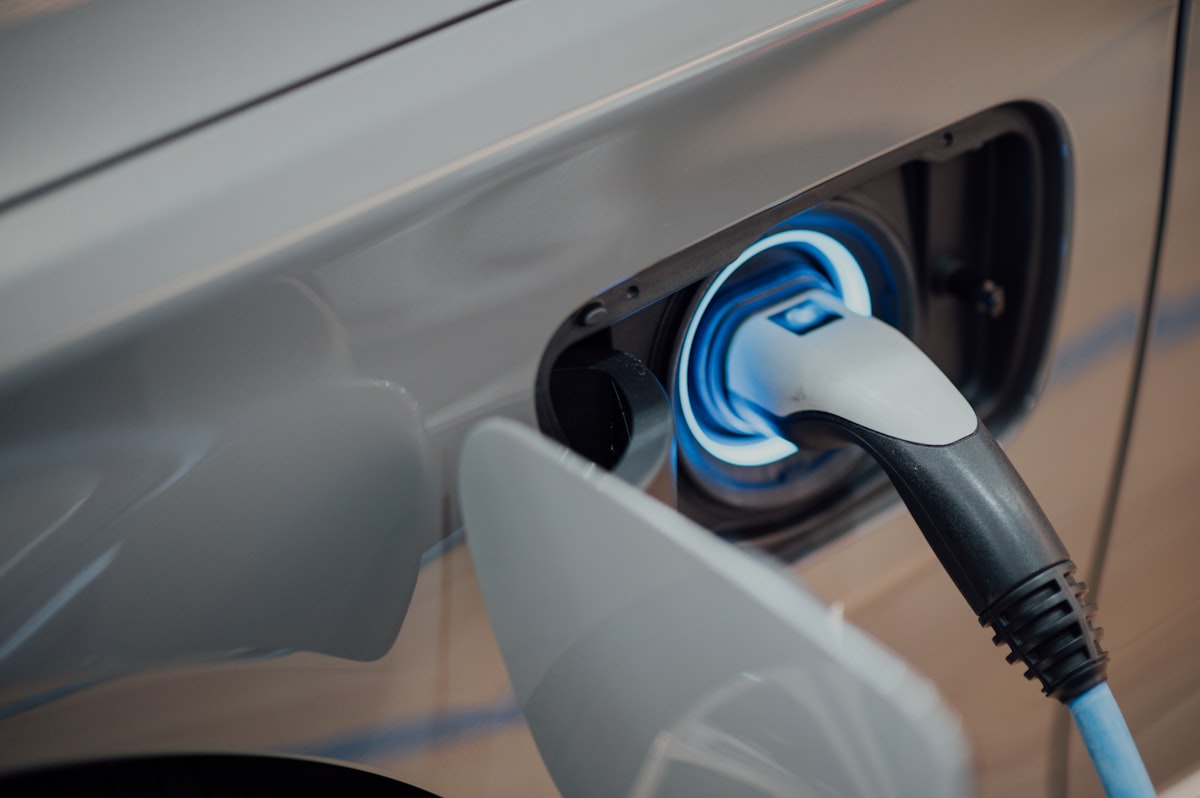
The Tata Safari EV is expected to launch in India during the festive season of 2026, with prices starting around ₹23–30 lakh (ex-showroom). Built on Tata’s acti.ev+ platform with 65kWh and 75kWh battery options, it promises up to 627 km MIDC range and 7-seat capability — making it India’s most anticipated electric SUV for families.
If you’ve been waiting for an electric 7-seater that doesn’t compromise on space, performance, or technology, the Tata Safari EV could be the game-changer. Here’s everything we know so far.
Tata Safari EV Launch Date in India — When Is It Coming?
Based on multiple reports from CarDekho, CarWale, and Autocar India, the Tata Safari EV launch date in India is expected between May and November 2026. Most industry analysts point toward the festive season (September–November 2026) as the most likely window, following the successful launch of the Tata Harrier EV earlier in the year.
Tata Motors has been aggressive with its EV strategy. With over 10,000 Nexon EVs already on Indian roads and the Punch EV gaining traction in the budget segment, the Safari EV is the next logical step — bringing electric power to the 7-seater SUV market that Indian families love.
Expected Price — How Much Will the Tata Safari EV Cost?
The Tata Safari EV price in India is expected to range between ₹23 lakh and ₹30 lakh (ex-showroom), depending on the variant and battery pack. Here’s a rough breakdown:
- Base variant (65kWh, RWD): ~₹23–25 lakh
- Mid variant (75kWh, RWD): ~₹26–28 lakh
- Top variant (75kWh, AWD): ~₹28–30 lakh
At this price point, the Safari EV would compete directly with the best electric cars in India for 2026 and undercut the Mahindra XEV 9e significantly.
Add state-level EV subsidies on top of this — check our complete state-wise EV subsidy guide — and the effective price could drop even further in states like Maharashtra, Gujarat, and Delhi.
Battery, Range & Charging — The Numbers That Matter
The Tata Safari EV will ride on the acti.ev+ platform, the same architecture underpinning the Harrier EV. This means two battery options:
| Specification | 65kWh Variant | 75kWh Variant |
|---|---|---|
| Battery Capacity | 65 kWh | 75 kWh |
| MIDC Range | ~538 km | ~627 km |
| Real-World Range (Est.) | ~420–450 km | ~500–520 km |
| Power Output | 238 PS | 280+ PS (expected) |
| Drive Type | RWD | RWD / AWD |
| DC Fast Charging (20–80%) | ~30 min (140kW) | ~35 min (140kW) |
| Home Charging (0–100%) | ~9 hours (7.2kW) | ~10.5 hours (7.2kW) |
A real-world range of 420–520 km makes the Safari EV perfectly capable for weekend road trips and daily commuting without range anxiety. For context, the average Indian car owner drives about 40–50 km per day, meaning you’d charge once a week at most.
Curious about charging costs? Our electric car charging cost breakdown has all the math.
Design & Exterior — What Will the Safari EV Look Like?
Based on spy shots and the Tata Curvv EV design language, expect the Safari EV to feature:
- Closed-off front grille with illuminated Tata logo
- Connected LED DRLs spanning the full width of the front fascia
- Flush door handles for improved aerodynamics
- New alloy wheel designs optimized for EV efficiency
- Signature coupe-ish roofline retained from the ICE Safari
- Length: ~4.7 metres (same footprint as current Safari)
The overall silhouette will remain unmistakably Safari — bold, muscular, and commanding — but with the clean, futuristic touches that distinguish Tata’s EV lineup.
Interior & Features — 7 Seats Meet Premium Tech
The Safari EV’s biggest selling point is its 7-seat configuration in an electric package. Here’s what to expect inside:
- 12.3-inch touchscreen infotainment with wireless Apple CarPlay and Android Auto
- 10.25-inch digital instrument cluster
- Ventilated and powered front seats
- Panoramic sunroof
- 6-way powered driver seat with memory function
- Air purifier with AQI display
- Multi-zone climate control (likely 3-zone)
- 360-degree camera system
- Wireless charging pad
- Vehicle-to-Load (V2L) capability — power external devices from the car’s battery
The third row is expected to offer better legroom than the current ICE Safari, thanks to the flat floor enabled by the skateboard EV platform. This is where the acti.ev+ architecture really shines — no transmission tunnel means more usable cabin space.
Safety Features
Tata has consistently scored 5 stars in Global NCAP crash tests with its recent models. The Safari EV is expected to continue this tradition with:
- 6+ airbags (likely 8 in top variants)
- Electronic Stability Program (ESP)
- All-wheel disc brakes with regenerative braking
- ADAS Level 2 — adaptive cruise control, lane keep assist, auto emergency braking
- ISOFIX child seat mounts
- Tyre Pressure Monitoring System (TPMS)
- Hill Hold and Hill Descent Control
Tata Safari EV vs Competitors — How Does It Stack Up?
The 7-seater electric SUV segment in India is still nascent, but here’s how the Safari EV compares to its closest rivals:
| Feature | Tata Safari EV | Mahindra XEV 9e | Hyundai Ioniq 5 |
|---|---|---|---|
| Expected Price | ₹23–30 lakh | ₹30–35 lakh | ₹45+ lakh |
| Seating | 7 | 5 | 5 |
| Battery Options | 65/75 kWh | 59/79 kWh | 72.6 kWh |
| Range (MIDC) | 538–627 km | 530–680 km | ~631 km |
| Fast Charging | 140kW DC | 175kW DC | 350kW DC |
| AWD Available | Yes | Yes | Yes |
The Safari EV’s killer advantage? Seven seats at a sub-₹30 lakh price point. No other electric SUV in India currently offers that combination. For families upgrading from a petrol Safari or XUV700, this is the obvious next step.
Running Cost — EV vs Petrol Safari
Let’s talk money. According to current electricity and petrol rates in India (April 2026):
- Petrol Safari: ~₹7–8 per km (14 km/l at ₹105/litre)
- Safari EV (home charging): ~₹1.0–1.2 per km
- Safari EV (public fast charging): ~₹2.0–2.5 per km
That’s a 70–85% reduction in running costs. Over 5 years and 60,000 km, you’d save approximately ₹3.5–4 lakh on fuel alone. Add lower maintenance costs — see our EV maintenance cost guide — and the total cost of ownership tilts heavily in the EV’s favour.
Should You Wait for the Tata Safari EV?
Here’s our honest take:
Wait if:
- You need a 7-seater and want to go electric
- Your daily commute is under 100 km (home charging is super cheap)
- You have access to home charging or live in a metro with good public charging infra
- You’re okay waiting until late 2026
Don’t wait if:
- You need a car right now
- You frequently drive 500+ km in a single stretch without charging access
- You live in a remote area with zero charging infrastructure
For most urban and semi-urban Indian families, the Safari EV looks like it’ll be the smart financial choice over petrol — and it won’t compromise on the space and presence that Safari owners love.
Frequently Asked Questions (FAQ)
What is the Tata Safari EV launch date in India?
The Tata Safari EV is expected to launch in India between May and November 2026, with the festive season (September–November) being the most likely window.
What will be the Tata Safari EV price in India?
The expected price range is ₹23–30 lakh (ex-showroom), depending on the battery size and variant chosen.
What is the Tata Safari EV range on a single charge?
The MIDC-certified range is expected to be 538 km (65kWh battery) and 627 km (75kWh battery). Real-world range will likely be 420–520 km depending on driving conditions.
Does the Tata Safari EV have 7 seats?
Yes, the Safari EV will retain the 7-seat configuration of the ICE Safari, making it one of the few electric 7-seater SUVs available in India.
How long does it take to charge the Tata Safari EV?
With a 140kW DC fast charger, 20–80% takes approximately 30–35 minutes. Home charging (7.2kW AC) takes 9–10.5 hours for a full charge.
Will the Tata Safari EV have AWD (All-Wheel Drive)?
Yes, the top variant with the 75kWh battery is expected to offer an AWD option with dual motors.
Is the Tata Safari EV eligible for government subsidies?
Yes, it should be eligible for both central FAME III subsidies and various state-level EV incentives, potentially reducing the effective price by ₹1.5–3 lakh depending on your state.