VinFast EV India Review 2026: A Deep Dive into Vietnam’s Electric Challenger
VinFast EV India Review 2026: A Deep Dive into Vietnam’s Electric Challenger
In the rapidly accelerating world of electric vehicles (EVs), India is a market every global player wants a piece of. Enter VinFast, Vietnam’s ambitious EV manufacturer, making a significant entry into the Indian automotive landscape. For buyers eyeing the future of mobility in 2026, a thorough VinFast EV India review 2026 is essential. This year marks a pivotal moment as VinFast not only introduces its innovative models but also establishes its manufacturing footprint, promising to shake up the competitive EV segment.
VinFast’s foray into India isn’t just about selling cars; it’s about a strategic long-term play that includes local production and a commitment to sustainable mobility. While established players like Tata and Mahindra dominate, VinFast aims to carve its niche with a blend of distinctive design, advanced technology, and competitive pricing. The big question for Indian consumers is: can VinFast deliver a compelling electric vehicle experience that truly stands out?
VinFast’s Strategic Entry into the Indian EV Landscape
VinFast’s entry into India is anything but quiet. The company is investing significantly, with plans for a manufacturing facility in Thoothukudi, Tamil Nadu. This move underscores VinFast’s commitment to the ‘Make in India’ initiative and positions it to leverage local supply chains and incentives, potentially leading to more aggressive pricing strategies. By focusing on local production, VinFast aims to avoid high import duties, a common hurdle for international brands, making its EVs more accessible to the Indian populace.
The timing of VinFast’s entry is critical. India’s electric vehicle market is witnessing exponential growth, fueled by government subsidies, rising fuel prices, and increasing environmental awareness. This dynamic environment presents both immense opportunities and formidable challenges. VinFast will compete with homegrown giants like Tata Motors and Mahindra, as well as international players like MG and BYD, all vying for a larger share of the pie. For a broader understanding of the market, you can refer to our complete guide to electric vehicles in India.
Unpacking the VinFast VF6 India Review
The VinFast VF6 is positioned as a compact electric SUV, designed to appeal to urban dwellers and young families. Early reviews from Autocar India highlight its “mature ride quality with a slight firmness that evaporates at speed,” suggesting a well-tuned suspension setup capable of handling diverse Indian road conditions. The VF6 is built on VinFast’s new born-electric platform, hinting at a ground-up design optimized for electric performance.
Key features expected in the India-spec VF6 include a modern interior with a large touchscreen infotainment system, advanced driver-assistance systems (ADAS), and a suite of connectivity features. Its compact footprint makes it ideal for navigating congested city traffic while offering sufficient cabin space. The VF6 is expected to deliver a practical range suitable for daily commutes, with fast-charging capabilities to alleviate range anxiety on longer journeys. While specific pricing for India is yet to be fully revealed, the VF6 is anticipated to be competitively priced to attract a broad customer base in the sub-₹20 lakh segment.
The Powerful VinFast VF7 India Review: Class-Leading Performance?
Stepping up from the VF6, the VinFast VF7 aims to make a bolder statement in the performance EV segment. Autocar India’s review of the VF7 in India praises it as “the most powerful EV in its class,” hinting at serious performance credentials. It comes equipped with a spacious rear seat, a feature that will undoubtedly appeal to the chauffeur-driven segment in India, alongside a host of convenience and safety features. The option of All-Wheel Drive (AWD) further enhances its appeal, offering superior traction and handling.
The VF7’s aggressive pricing strategy is crucial for VinFast to gain a foothold in the Indian market, especially against rivals like the MG ZS EV and select variants of the Tata Nexon EV. Its focus on performance and features at a competitive price point could be a game-changer. The VF7 represents a unique proposition, combining generous space, advanced technology, and raw power, making it an attractive option for those seeking a premium electric SUV experience without breaking the bank. For a comparison of similar vehicles, check our analysis of the Tata Punch EV vs Tata Nexon EV.
VinFast vs. The Competition: A Head-to-Head in India
VinFast’s entry into India intensifies the competition in an already bustling EV market. The Economic Times reported that VinFast has already outperformed BYD in India’s EV sales through March 2026, signaling its strong competitive edge. This suggests an aggressive market strategy and potentially a value proposition that resonates with Indian buyers. Key competitors for VinFast’s VF6 will include the Tata Nexon EV, Mahindra XUV400, and MG ZS EV, while the VF7 will likely contend with higher-end variants of these models, alongside the Hyundai Kona Electric and Kia EV6 in terms of features and performance expectations.
VinFast’s ability to offer advanced features and competitive ranges at attractive price points will be crucial. Its local manufacturing presence could give it a significant cost advantage over imported rivals, allowing for more flexible pricing. The challenge will be to build brand trust and a robust service network to match the extensive reach of established players like Tata Motors. However, with its strong initial sales performance against a global player like BYD, VinFast has demonstrated its potential to disrupt the market.
Charging Infrastructure and Ownership Experience for VinFast in India
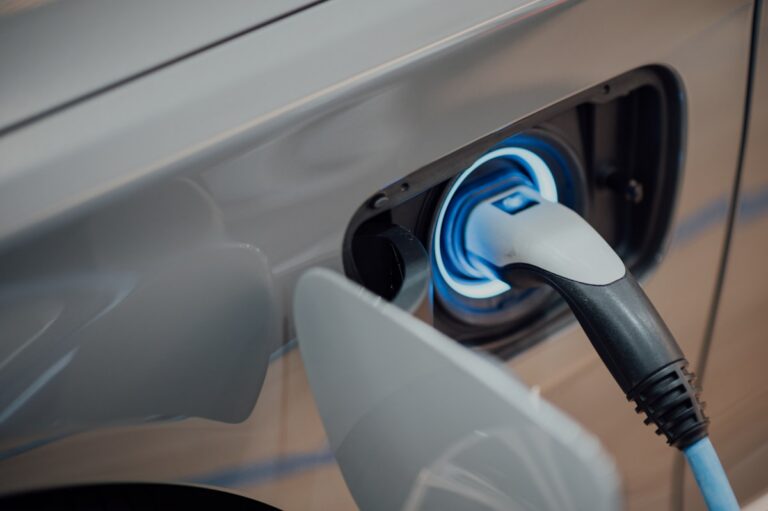
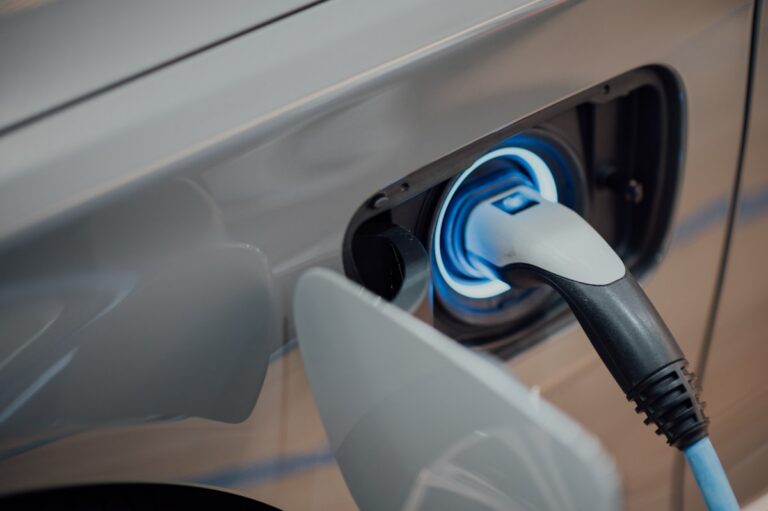
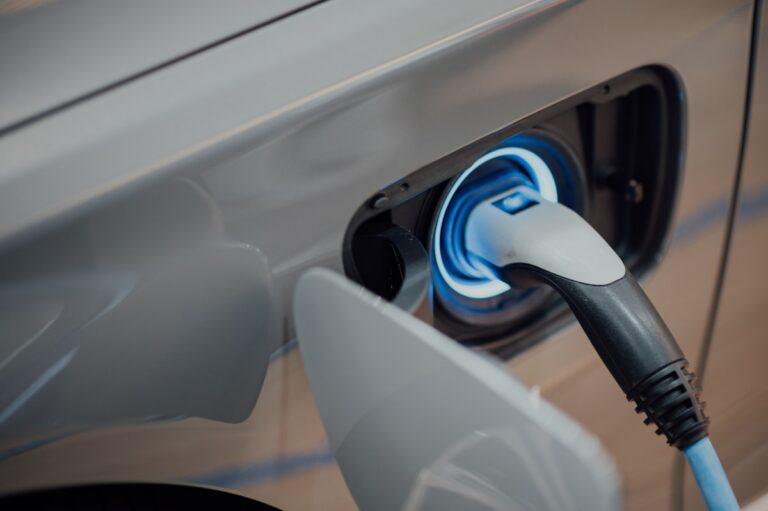
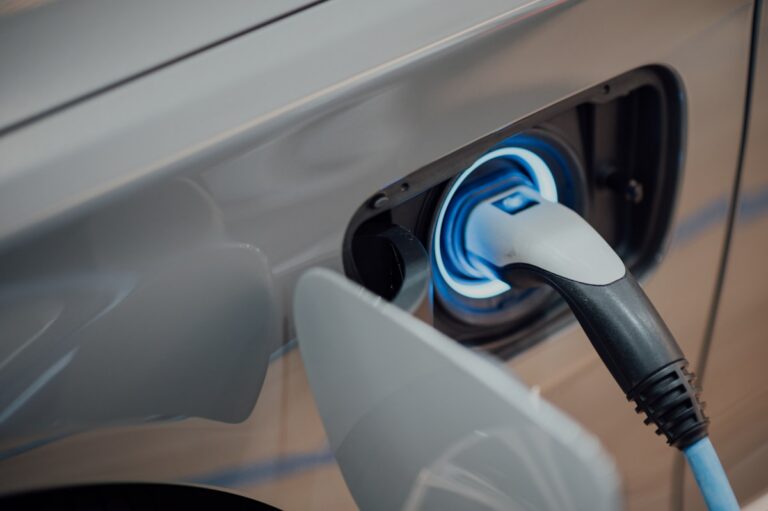
A critical aspect of any EV’s success in India is the charging infrastructure and the overall ownership experience. VinFast is expected to address this with a multi-pronged approach, including partnerships with existing charging networks and potentially setting up its own fast-charging stations. The establishment of local manufacturing will also facilitate a more efficient spare parts supply and service network, which is vital for customer confidence. VinFast’s strategy likely includes a comprehensive warranty package and roadside assistance to further enhance the ownership proposition.
For potential buyers, understanding the cost of charging and available options is paramount. Home charging remains the most convenient, but public fast-charging networks are expanding rapidly across India. VinFast will need to ensure seamless integration with these networks or offer compelling proprietary solutions. Our detailed guide on EV charging at home in India provides valuable insights for new EV owners.
The Future of VinFast in India: Opportunities and Challenges
The future for VinFast in India appears promising, yet it is not without its challenges. The sheer size and diversity of the Indian market offer immense growth potential, especially as EV adoption continues to accelerate. VinFast’s commitment to local manufacturing is a significant advantage, potentially making its vehicles more affordable and readily available. The company’s focus on design and technology aligns well with the evolving preferences of Indian consumers.
However, challenges include fierce competition, the need to rapidly scale up sales and service networks across a vast country, and educating consumers about a relatively new brand. Building trust and dispelling common misconceptions about EVs will be ongoing efforts. If VinFast can successfully navigate these hurdles, it has the potential to become a major player in the Indian EV story, contributing significantly to the country’s sustainable mobility goals. The coming years will be crucial in determining the full impact of VinFast’s ambitious Indian venture.
Frequently Asked Questions about VinFast EVs in India
Q1: What are the key features of VinFast EVs in India?
VinFast EVs in India, such as the VF6 and VF7, are expected to feature modern design, advanced infotainment systems with large touchscreens, comprehensive driver-assistance systems (ADAS), and robust connectivity options. The VF7, in particular, is noted for its powerful performance and spacious rear seating.
Q2: How does VinFast compare to other EVs in India?
Early reports suggest VinFast is competitively positioned, with some models already outperforming rivals like BYD in initial sales. They aim to compete on price, features, and performance against established brands like Tata, Mahindra, and MG, leveraging local manufacturing to offer value.
Q3: What is the expected price range of VinFast EVs in India?
While official pricing is awaited, the VinFast VF6 is expected to be competitively priced in the sub-₹20 lakh segment, targeting urban buyers. The more powerful VF7 will likely be positioned higher, competing in the premium electric SUV space.
Q4: What is VinFast’s strategy for the Indian market?
VinFast’s strategy involves significant investment in local manufacturing in Tamil Nadu to mitigate import duties. They aim to offer a strong value proposition through advanced features, competitive pricing, and a commitment to building a robust sales and service network across India.
Q5: Will VinFast EVs support existing charging infrastructure in India?
Yes, VinFast EVs are expected to be compatible with India’s expanding public charging infrastructure. The company is likely to partner with existing networks and possibly establish its own fast-charging stations to ensure a seamless charging experience for its customers.