EV Battery Warranty in India 2026: What Buyers Must Check Before Booking
A practical Indian buyer guide to EV battery warranty in 2026: coverage, exclusions, degradation, transfer rules, claim documents and comparison checklist.
Last updated: August 2026
For most Indian EV buyers, the battery warranty is the single most important ownership document after the invoice. It decides what happens if range drops faster than expected, a battery module fails, the car throws repeated high-voltage warnings, or a resale buyer asks for proof that the pack is still protected. This guide explains EV battery warranty India 2026 terms in plain English, with a practical checklist you can use before paying the booking amount.
The short version: do not compare EVs only by the headline number such as “8 years warranty”. Compare kilometres, usable capacity guarantee, exclusions, diagnostic process, transfer rules, charger requirements and whether labour is included. A cheaper EV can become expensive if the battery warranty is narrow; a premium EV can be safer to own if its battery document is transparent.

Quick answer: what does an EV battery warranty usually cover?
In India, electric car battery warranties commonly cover manufacturing defects in the high-voltage battery pack for a fixed period and kilometre limit, often around 8 years or 1,60,000 km for many mainstream cars. Electric scooters and bikes may have shorter or model-specific limits. Coverage typically includes battery modules, pack casing, battery management system-related faults and internal failures that are not caused by misuse, accident damage, water ingress beyond rated limits or unauthorised repairs.
The important phrase is “manufacturing defect”. A warranty is not a promise that your EV will always deliver the same range as day one. Range changes with tyre pressure, driving speed, heat, payload, AC use, software updates and charging pattern. A strong warranty defines what level of capacity loss is considered abnormal and how the brand will test it.
Before comparing plans, read our related guide on EV battery replacement cost in India, because warranty wording matters most when you understand the out-of-pocket replacement risk.
The five warranty numbers every buyer should note
A brochure usually highlights only the largest number. You need five numbers. First, the number of years. Second, the kilometre cap. Third, the minimum battery health or capacity retention promised, if stated. Fourth, the service interval requirement. Fifth, the time limit for reporting warning lights or faults. Write these in your phone notes while speaking to the dealership.
If the salesperson says “battery is covered for eight years” but cannot show the written PDF or owner manual clause, treat that as incomplete information. Ask for the warranty booklet before booking. A good dealer will share it. If they only share a social media poster, ask again. Warranty disputes are settled using written terms, not showroom conversation.
Comparison table: how to evaluate EV battery warranty in India
| Warranty item | Why it matters | What to ask before booking | Buyer-friendly benchmark |
|---|---|---|---|
| Years and kilometre cap | Ends coverage when either limit is crossed | Is it 8 years/1,60,000 km, 5 years/1,00,000 km, or model-specific? | Long enough for your expected ownership period |
| Capacity retention clause | Protects against abnormal degradation, not normal range variation | Does the brand promise a minimum usable capacity percentage? | Clearly written test method and threshold |
| Transferability | Improves resale confidence for second owner | Will battery warranty transfer automatically to the next buyer? | Transfer allowed with service records |
| Exclusions | Defines when claims can be rejected | What happens after flooding, accident repair, aftermarket wiring or non-approved charger use? | Specific exclusions, not vague wording |
| Claim process | Reduces downtime during failures | Who performs diagnostics and is a loaner vehicle offered? | Written diagnostic report and defined escalation path |
| Labour and consumables | Avoids surprise bills during approved repairs | Are labour, coolant, seals and software work included? | No hidden labour for warranty-approved battery work |
Battery warranty versus vehicle warranty
Do not mix the battery warranty with the standard vehicle warranty. The vehicle warranty may cover the motor, onboard charger, infotainment, suspension, air conditioning and electronics for a shorter period. The battery warranty is usually separate because the pack is the most expensive EV component. In many cases, an extended vehicle warranty does not automatically extend the battery warranty unless explicitly stated.
Total ownership cost also includes service and wear items. Use the electric car maintenance cost guide to separate battery risk from regular maintenance costs such as tyres, brake fluid, coolant and cabin filters.
What counts as normal battery degradation?
All lithium-ion batteries age. Calendar ageing happens with time even when the vehicle is parked. Cycle ageing happens through charging and discharging. Heat accelerates both, which is why Indian conditions make battery management important. A modest drop in usable range over several years can be normal. A sudden large drop, repeated charging failure, high-voltage isolation warning, unexplained shutdown or inability to charge beyond a low percentage needs diagnosis.
A buyer-friendly warranty does not simply say “degradation is normal”. It explains when degradation becomes a defect. Some brands define a minimum state of health; others keep the language broader. If capacity retention is not clearly mentioned, ask how the workshop measures state of health and whether you can receive the diagnostic report.
Common exclusions that can weaken a battery claim
Battery claims can be rejected when damage is linked to accident impact, water ingress, unauthorised electrical work, tampering, racing, overloading, missed scheduled services, non-approved accessories or using damaged charging equipment. For scooters, even pressure washing around sensitive areas can become a dispute if the manual warns against it. For cars, flood exposure and underbody impact are major risk areas in Indian monsoons.
This is why charger installation matters. If you install a wall box at home, follow brand guidance, proper earthing and load checks. Our home EV charger installation guide explains what to verify before daily overnight charging.
Documents to keep for a successful battery warranty claim
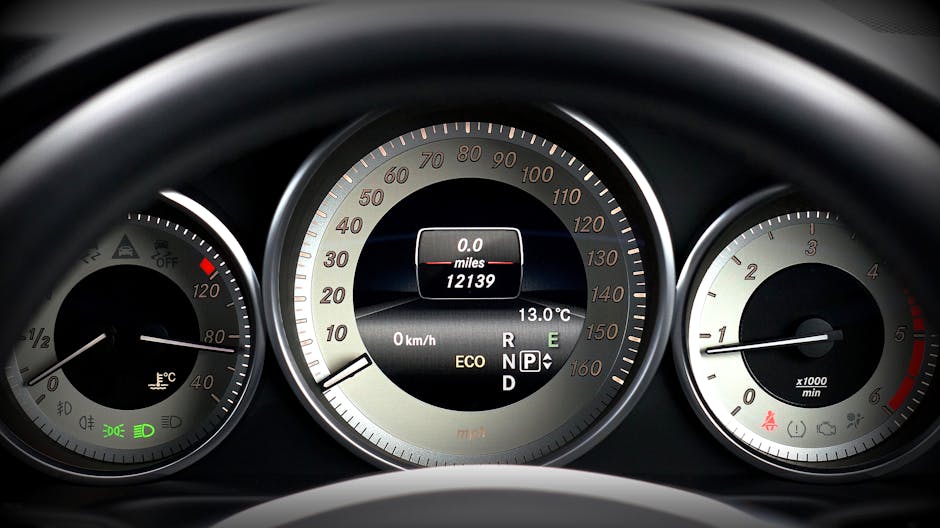
Keep the tax invoice, registration certificate, warranty booklet, service invoices, software update records, charger installation bill, insurance claim records and photographs after any accident or flood incident. If your EV shows a battery warning, record the dashboard message and odometer reading before visiting the service centre. Ask the workshop for a job card that mentions the battery concern clearly.
For used EVs, ask the seller for the complete service record and a battery health report. If the brand allows warranty transfer, complete it immediately after purchase. A second owner who cannot prove authorised service history may face friction later, even if the car is technically within the year and kilometre limit.
How battery warranty affects resale value
Battery warranty is one of the strongest resale signals for an EV. A four-year-old car with documented service history and remaining battery warranty will usually inspire more confidence than a similar car with missing records. Buyers worry less about battery replacement when they can verify coverage, state of health and transfer status.
If you plan to sell within three to five years, read our EV resale value in India. The warranty document, not just odometer reading, can influence negotiation.
Insurance, subsidy and battery warranty are connected
Insurance does not replace warranty. Warranty handles manufacturing defects; insurance handles insured events such as accidents, theft and certain damages depending on policy terms. EV owners should check whether the policy has battery-specific add-ons, depreciation rules, protection for charging accessories and clear coverage for water damage. A battery can be expensive, so a small saving on premium may not be worth weak protection.
For official ownership basics, check Parivahan/Vahan services, and for national EV awareness resources see e-AMRIT by NITI Aayog. These references help you separate government processes from dealer-level offers.
For premium planning, see EV insurance cost in India. Also check subsidy documentation at purchase time using our electric car subsidy India 2026, because invoice structure and registration records should match your ownership file.
Dealer questions to ask before paying the booking amount
Ask these questions directly: Can I see the battery warranty booklet? What is the kilometre cap? Is capacity degradation covered, and at what threshold? Is the battery warranty transferable? What happens if I use a third-party public charger? Which accessories can void coverage? How many services can I miss before warranty is affected? Will I receive a battery health report during service? What is the expected diagnostic time for battery warnings?
A confident dealership will answer these without irritation. If answers keep changing between sales, service and finance teams, slow down. Your objective is not to catch anyone out; it is to make sure the car fits your driving pattern, parking situation, charging access and ownership horizon.
Real-world Indian use cases
For a city commuter driving 30 to 50 km daily, the year limit may matter more than the kilometre limit. For a highway-heavy user or ride-hailing operator, the kilometre cap becomes critical. For apartment residents using public charging, proof of safe charging and service records matter. For buyers in flood-prone cities, insurance and water-ingress exclusions deserve special attention.
Hot parking also matters. If the car sits under direct sun for long hours, battery thermal management and charging schedule become more important. Avoid repeatedly charging to 100 percent unless you need the range for a trip, and avoid leaving the vehicle at very low charge for long periods. Follow the manual because warranty disputes often reference recommended use.
Best practice checklist for EV owners
- Keep every service invoice and job card, even for small software checks.
- Use approved charging equipment and fix earthing issues quickly.
- Photograph dashboard battery warnings with date and odometer visible.
- Do not install aftermarket electrical accessories without written approval.
- After floods or underbody hits, get the vehicle inspected before charging again.
- Ask for a battery health report before warranty expiry and before resale.
Verdict: how to choose safely in 2026
The best EV battery warranty India 2026 is not only the longest headline period. It is the one with a clear kilometre cap, transparent degradation clause, transferable coverage, realistic exclusions, authorised service support and written diagnostics. If two EVs are similar in price and range, choose the one that gives you better documentation and easier claim handling.
For most family buyers, the safest approach is simple: shortlist the EV, download the warranty booklet, compare it against the table above, confirm home charging safety, keep insurance strong and preserve all records. That discipline protects your wallet far more than trusting a brochure headline.
FAQ
Is EV battery warranty transferable in India?
It depends on the brand and model. Many warranties can continue for the next owner if service records are complete and ownership transfer is properly recorded, but you must confirm the written clause before buying a used EV.
Does battery warranty cover normal range drop?
Usually no. Normal degradation is expected. Coverage applies when degradation or failure crosses the warranty threshold or is diagnosed as a manufacturing defect. Ask the brand how it measures battery state of health.
Can public fast charging void my battery warranty?
Using compatible public chargers normally should not void warranty, but damaged connectors, unsafe equipment or charging against manual instructions can create disputes. Keep charging receipts if you rely heavily on public networks.
What should I do if my EV shows a battery warning?
Take a photo of the warning, note the odometer, avoid risky driving or charging if the manual advises so, and visit an authorised service centre. Make sure the job card clearly mentions the battery alert.
Should I buy extended warranty for an EV?
Consider it if it covers expensive EV-specific parts beyond the standard vehicle warranty. But check whether it extends the high-voltage battery warranty; many extended plans cover the car, not necessarily the battery pack.
EV-Wala editorial desk
Practical electric mobility coverage for Indian roads, budgets, and charging realities. Read our editorial standards and methodology.