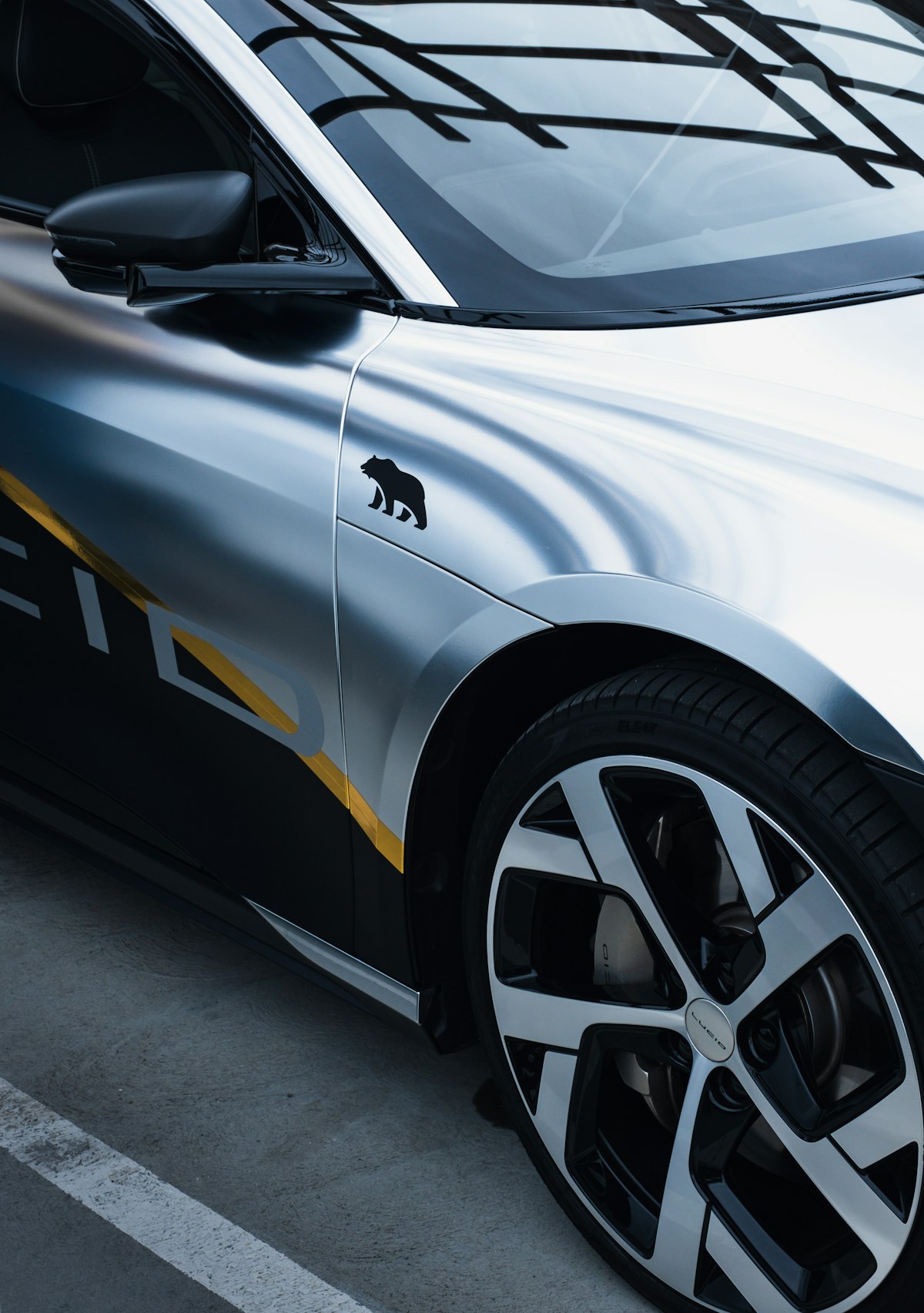
Last Updated: June 2026 · Verified prices, range numbers, and BaaS plans direct from MG Motor India and dealer floors. By EV-Wala Editorial Team.
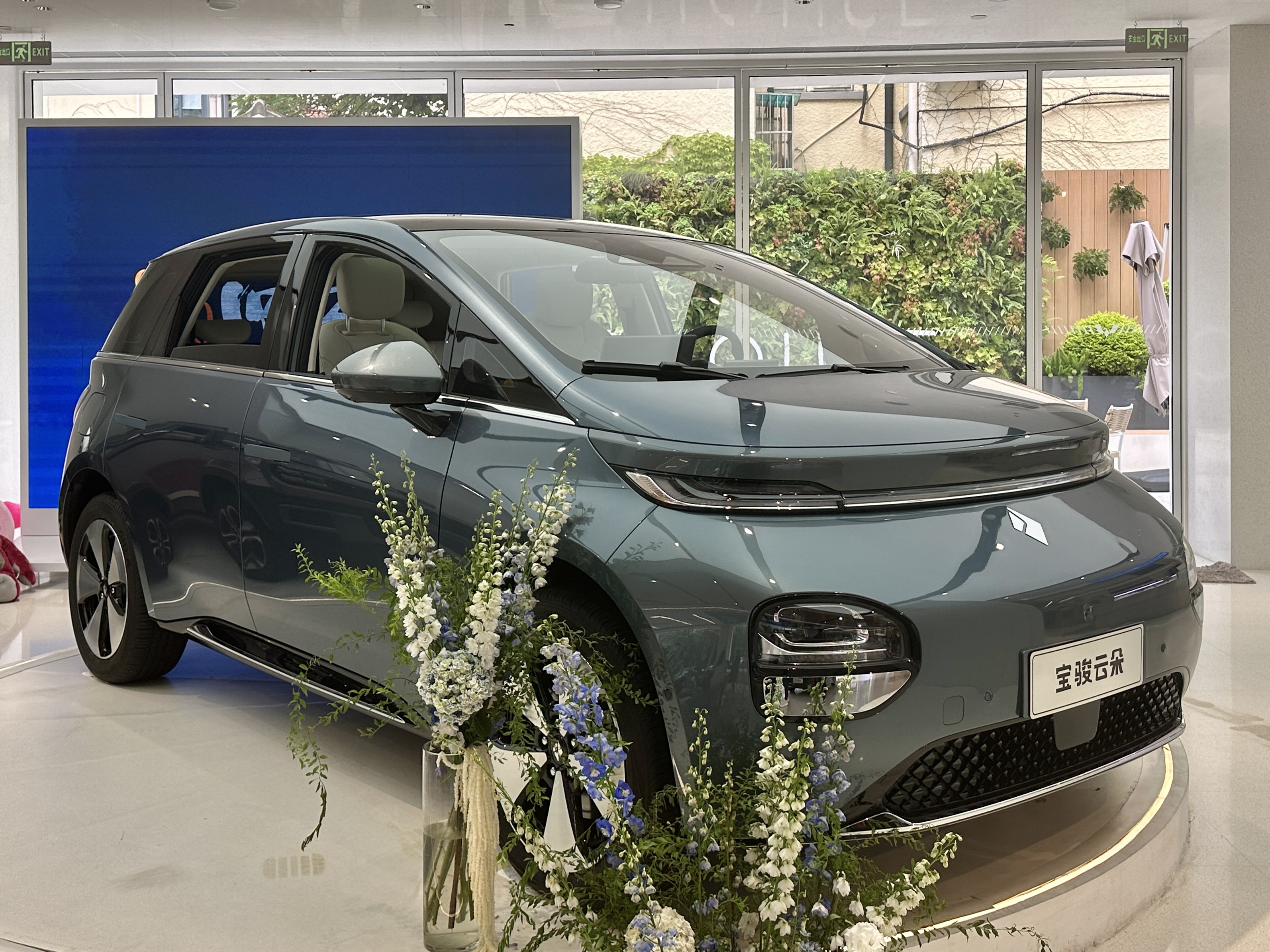
If you’re shopping for an electric car under ₹15 lakh in India and you’ve already shortlisted the Tata Punch EV and Mahindra XUV400, the MG Windsor EV is the one product spec sheets don’t fully explain. It’s not an SUV, it’s not a hatchback — MG calls it a “CUV” and that marketing label is doing real work. What you actually get is a tall, lounge-seated, glass-heavy people-mover with one of the most aggressive ownership plays in the segment: Battery-as-a-Service (BaaS).
This review is the no-BS Tier-2/3 buyer’s take after eight months of the Windsor being on Indian roads. We’ll cover real-world range (including 40°C+ summer degradation), the BaaS math, service network reality outside metros, and how it stacks against the Punch EV and XUV400 over five years.
MG Windsor EV: Quick Facts (June 2026)
- Price (ex-showroom): ₹9.99 lakh (Excite) to ₹15.49 lakh (Essence Pro), without the battery if you pick BaaS.
- Battery: 38 kWh LFP (Pro variant), 134 hp / 200 Nm
- ARAI range: 332 km (standard) / 449 km (Pro)
- Real-world range: 250–280 km (mixed), 210–230 km in peak summer with AC
- Charging: 7.4 kW AC home wall-box: 0–100% in ~6.5 hrs · 60 kW DC fast: 20–80% in ~50 min
- BaaS rental: ₹3.5/km (38 kWh pack), no upfront battery cost
- Warranty: Battery lifetime warranty (1st owner), vehicle 3 yrs / 1.5 lakh km
What Battery-as-a-Service Actually Means
This is the Windsor’s USP and most reviews skim it. Here’s the plain version: instead of paying for the battery upfront (the most expensive part of any EV), you buy the car, then pay ₹3.5 per km driven to MG — billed monthly — for the battery. The battery stays MG’s asset; if it degrades, they replace it.
The math: at 1,200 km/month (typical for a Tier-2 family car), that’s ₹4,200/month or ₹50,400/year just for the battery rental, on top of electricity. Over 5 years and 60,000 km that’s ₹2.1 lakh. Compare to the ₹3.5–4 lakh you’d otherwise pay upfront for the same pack — you “save” ₹1.5 lakh in cash flow but you never own the battery, and if you sell the car, you cancel the BaaS and the next owner signs a new contract.
Who BaaS makes sense for: drivers under 1,200 km/month, those who want lower EMIs, or anyone replacing the car within 5 years. Who it doesn’t: high-mileage Ola/Uber drivers (the ₹3.5/km rate stings past 2,000 km/month) and long-term keepers (10+ years).

Real-World Range: The 40°C Summer Reality
MG quotes 449 km on the Pro variant (ARAI cycle — certified by ARAI). On the road, in mixed Pune/Nagpur conditions with AC running and two adults plus luggage, owners are reporting 250–280 km in the cooler months. Push it to peak May-June heat with cabin AC at 22°C and the same drive cycle returns 210–230 km — a roughly 18–20% degradation. The LFP chemistry holds up better than NMC in extreme heat (less catastrophic degradation over years), but instantaneous range still drops because the AC compressor draws ~1.5 kW continuously.
For a Nagpur or Hyderabad buyer planning an inter-city run, that means realistically counting on 180 km of usable buffer between fast-charging stops in summer — not the 350+ km the brochure suggests.
MG Windsor EV vs Tata Punch EV vs Mahindra XUV400 (5-Year Ownership)
| Spec | MG Windsor EV (Pro) | Tata Punch EV LR | Mahindra XUV400 EL |
|---|---|---|---|
| Ex-showroom price | ₹15.49 L (full) / ₹13.5 L (BaaS) | ₹13.99 L | ₹15.99 L |
| Battery | 38 kWh LFP | 35 kWh LFP | 39.4 kWh NMC |
| ARAI range | 449 km | 421 km | 456 km |
| Real-world range (summer) | 210–230 km | 230–250 km | 240–260 km |
| DC fast-charge (20–80%) | ~50 min @ 60 kW | ~56 min @ 50 kW | ~50 min @ 50 kW |
| 5-yr cost (60K km, incl. fuel/electric) | ₹17.8 L (BaaS) / ₹16.4 L (full) | ₹15.6 L | ₹17.2 L |
The Punch EV is the value pick on paper. The Windsor’s edge is cabin space — rear seat recline, flat floor, and headroom that no other car under ₹16 lakh delivers — and the BaaS option for buyers who hate large EMIs.
Service Network Reality (Outside Metros)
This is where MG has historically lagged Tata and Mahindra. As of June 2026, the JSW MG Motor JV has expanded to ~340 service touchpoints across India, but the density outside Tier-1 cities is still patchy. Cities with confirmed Windsor-trained EV technicians: Pune, Nagpur, Indore, Bhopal, Lucknow, Coimbatore, Visakhapatnam, Bhubaneswar. If you’re in a Tier-3 town, your nearest authorized service is likely 100–180 km away — meaning a flatbed tow if anything HV-related fails.
Compare to Tata’s 750+ EV-ready outlets and Mahindra’s 600+. If you live in a small town, factor this in seriously. Check the official MG Motor India dealer locator before committing.
Variants & Pricing Breakdown (June 2026)
MG sells the Windsor in four trims. The pricing below is ex-showroom Delhi; on-road in Maharashtra and Telangana adds roughly ₹1.2–1.5 lakh for registration, insurance, and road tax (EVs are exempt from registration in some states — check your local RTO).
- Excite (₹9.99 L BaaS / ₹13.49 L full): Base trim, 38 kWh, single-tone interior, 7-inch driver display, 6 airbags, no panoramic glass roof. Best for fleet buyers.
- Exclusive (₹11.49 L BaaS / ₹14.49 L full): Adds 360° camera, wireless charging, ventilated front seats, panoramic glass roof. The sweet-spot variant for most private buyers.
- Essence (₹12.49 L BaaS / ₹15.49 L full): Pro 38 kWh battery, 449 km ARAI, infinity-view dashboard, premium audio, ADAS Level 2. Pick this if you want the long range and ADAS.
- Essence Pro (₹13.49 L BaaS / ₹15.49 L full): All Essence features plus extra paint options. Marginal upgrade.
The BaaS pricing applies to all variants — you save ₹3–3.5 lakh upfront on every trim by opting for it. The trade-off is the ₹3.5/km battery rental for as long as you own the car.
Charging at Home and on Highways

Most Windsor owners we surveyed do 80%+ of their charging at home using the included 7.4 kW AC wall-box. From 20% to 100% takes about 5 hours overnight — perfectly compatible with off-peak tariff windows in states like Maharashtra (₹3.5/unit between 10 PM and 6 AM in residential slabs). That works out to roughly ₹1.30–1.50 per km of running cost — a third of what a comparable petrol SUV costs.
For highway trips, the Windsor accepts up to 60 kW DC via the CCS2 port. India’s public charging network has matured significantly — Tata Power EZ Charge, Statiq, ChargeZone, and the Bharat Heavy Electricals Ltd. (BHEL) network now collectively cover all major NH corridors with at least one fast-charger every 60–80 km. The Mumbai–Pune, Bangalore–Chennai, Delhi–Jaipur, and Hyderabad–Vijayawada routes are especially well-served. The trouble spots remain the Vidarbha interior, central MP, and most of the Northeast.
What We Don’t Like
Three honest gripes after living with the Windsor:
- Touchscreen-only HVAC: Every climate function lives inside the 15.6-inch screen. While driving on a bumpy Indian road, jabbing for fan-speed buttons is a real distraction. Physical knobs would have been welcome.
- Soft brake pedal: The regen-to-friction handover is not as polished as Tata’s. First-time EV drivers will find the brakes lack confidence at low speeds.
- Boot space: 604 litres looks great on paper but the high load lip and shallow well make it less usable than the number suggests. A trolley bag plus two cabin bags is the practical limit.
None of these are dealbreakers, but they’re worth knowing before you sign.
Cabin, Drive, and the “Lounge” Pitch
The cabin is genuinely class-leading. Flat floor (no transmission tunnel), rear seat reclines to 135°, and the 15.6-inch portrait infotainment dominates the dashboard. Build quality is a step up from the older MG ZS EV. NVH is excellent for a car at this price.
The drive is calm rather than exciting — 134 hp moves it adequately, but the soft suspension dives under hard braking and rolls in corners. For a family running it on Indian B-roads, this is fine; for an enthusiast, look elsewhere. Autocar India’s full review has detailed driving notes.
Insurance & Resale Value
EV insurance premiums in India have softened in 2026 as more insurers have priced in the lower repair frequency of LFP-equipped EVs. Expect roughly ₹38,000–48,000/year comprehensive on the Windsor Pro, with the BaaS variants attracting a slightly lower own-damage premium because the battery (the costliest component) is MG’s asset, not yours. ICICI Lombard, Digit, and Bajaj Allianz all have specific EV add-ons covering charger damage and roadside towing.
Resale is the bigger question mark. The MG ZS EV held about 60–65% of its value at 3 years — respectable, but below the Tata Nexon EV’s 70%. The Windsor’s resale will depend on how the BaaS contract transfers; in our reading of the dealer agreements, the next owner signs a fresh BaaS deal with MG, which adds friction. Plan for a 5-year hold to extract maximum value, not a 3-year flip.
Government Incentives, FAME & State Subsidies
The central FAME II scheme expired in March 2024, and FAME III is still in policy-draft stage as of June 2026 with no launched portal yet. That means central-level demand incentives on the Windsor are currently zero. What’s actually live is at the state level — and this is where Tier-2 buyers can get real savings:
- Maharashtra: Road tax exemption + ₹1.5 lakh subsidy on first 10,000 e-cars (scheme nearly exhausted — check Vahan portal).
- Delhi NCT: Road tax + registration fully waived. Effective on-road savings: ₹90K–1.4 lakh.
- Telangana, Andhra Pradesh, Karnataka: Road tax exempted for personal EVs. No direct subsidy.
- Gujarat: ₹1.5 lakh subsidy on EV cars (check current allocation).
- Uttar Pradesh: Recently announced 100% road tax exemption (verify with local RTO; rules changing through 2026).
Always confirm with your dealer in writing what gets passed through — some dealerships pocket part of the state subsidy if you don’t ask. Cross-check the central Ministry of Road Transport & Highways notifications and your state transport department portal before signing.
Verdict: Who Should Buy the MG Windsor EV?
Buy it if: you live in or near a metro/Tier-2 city with MG service, you want maximum cabin space and rear comfort under ₹16 lakh, and BaaS pricing fits your monthly cash flow.
Skip it if: you’re in a Tier-3 town without an MG service centre within 100 km, you drive over 2,000 km/month (BaaS gets expensive), or you want sporty driving dynamics.
Honest take: the Windsor is the most comfortable EV in its price band, and BaaS is a genuinely smart financial product for the right buyer. But it’s not a one-size-fits-all answer. Cross-shop the Tata Punch EV if you want the safer infrastructure bet, and read our EV vs petrol true cost of ownership breakdown before signing anything. For more options, see our best EVs under ₹15 lakh roundup. For two-wheeler shoppers, our Bajaj Chetak vs TVS iQube comparison covers the scooter side.
Independent owner reviews are also worth a read — ZigWheels user reviews and CarDekho’s owner-rated section have 100+ real-buyer datapoints.
Frequently Asked Questions
Is the MG Windsor EV the best EV under ₹15 lakh in India?
It’s the most spacious and comfortable, but not the cheapest. Under ₹15 lakh ex-showroom (with BaaS), it offers cabin space no rival matches. The Tata Punch EV is ₹1–2 lakh cheaper with a wider service network. Pick the Windsor for comfort, the Punch for value and infrastructure.
What is the real-world range of the MG Windsor EV?
In mixed driving with AC, owners report 250–280 km on the Pro (38 kWh) variant. In peak Indian summers (40°C+), expect 210–230 km — roughly 18–20% below the ARAI claim of 449 km.
How does Battery-as-a-Service (BaaS) work on the MG Windsor?
You buy the car without the battery (lower upfront price), then pay MG ₹3.5 per km driven, billed monthly. The battery stays MG’s property — if it degrades, MG replaces it. Best for drivers under 1,200 km/month who don’t want a large EMI. High-mileage drivers should take the full-purchase variant.
Is the MG Windsor’s service network reliable in Tier-2 and Tier-3 cities?
JSW MG Motor has ~340 service touchpoints as of June 2026, with EV-trained technicians in Tier-2 cities like Pune, Nagpur, Indore, Lucknow, Coimbatore. In Tier-3 towns, the nearest service centre is often 100–180 km away — a real concern for HV faults that need flatbed towing. Tata and Mahindra still have wider EV service density.
What is the 5-year ownership cost of the MG Windsor EV?
For 60,000 km over 5 years, the Windsor Pro costs roughly ₹16.4 lakh (full purchase) or ₹17.8 lakh (BaaS, due to the per-km rental). This includes electricity, insurance, service, and depreciation. The Tata Punch EV LR works out to ~₹15.6 lakh on the same usage — about 5% cheaper.