Best EV for 100 km Daily Commute in India 2026: Practical Buyer Guide
A practical 2026 India guide to choosing the best electric car or scooter for a 100 km daily commute, with range buffer, charging, costs, warranty and model shortlists.
Last updated: August 2026
Best EV for 100 km Daily Commute in India 2026: Practical Buyer Guide
If your office run, school drop, client visits and errands add up to around 100 km a day, an EV can be brilliant in India. It can also be annoying if you buy only by brochure range. The best EV for a 100 km daily commute is not simply the one with the biggest claimed range. It is the one that gives you a calm usable buffer after heat, traffic, AC use, battery ageing, detours, and missed charging nights.
This guide is written for Indian buyers who actually drive Monday to Saturday, not just weekend test drives. We will look at the safe range buffer, home charging needs, running cost, warranty checks, public charging backup, and whether a scooter or car makes more sense. If you are comparing broader family options, keep EV-Wala's best EVs for Indian families 2026 guide open in another tab.
Quick answer: what should a 100 km commuter buy?
For a 100 km daily commute, target an EV that can comfortably deliver at least 180 to 220 km of real-world range on your usual route. That buffer matters because a 100 km day is rarely exactly 100 km. Add an airport run, monsoon traffic, a diversion, 42-degree summer AC use, and one evening when you forget to plug in, and a tight-range EV quickly becomes stressful.
For most urban Indian buyers with a family, a compact electric SUV or hatchback with a usable battery, reliable service network and 7.2 kW home charging support is the safest choice. For solo riders inside one city, a premium scooter can handle 100 km only if your route, speed and charging discipline are predictable. If your commute includes expressways or high-speed ring roads, choose a car with a larger battery and keep DC fast charging as backup, not as your daily plan.
Before buying, check the official policy and charging references too. The government-backed e-AMRIT portal is useful for basic EV awareness, while the PM E-DRIVE portal is the place to watch central incentive updates. For vehicle registration and state records, the public VAHAN portal is the authoritative source.
The range buffer you should insist on
Indian EV brochures usually quote certified range, but your real-world number depends on speed, tyres, load, weather, elevation, road surface, regen setting and AC. A car that claims 300 km may return around 210 to 250 km in mixed use. A scooter that claims 140 km may feel closer to 90 to 115 km if you ride fast, carry a pillion, and use full performance mode.
For a 100 km daily commute, use a simple rule. Do not buy anything that regularly leaves you below 25 percent state of charge when you return home. That one rule protects battery health, gives you emergency margin, and reduces the urge to visit public chargers for routine top-ups. If the EV returns 200 km in your actual use, 100 km consumes roughly half the battery. That is comfortable. If it returns 125 km, the same commute consumes most of the battery. That is possible, but not peaceful.
This is why buyers comparing entry EVs should read EV-Wala's best electric cars under ₹15 lakh and cheapest electric cars in India guides with a practical filter: do not chase only the lowest EMI. For a long daily run, usable range and service comfort are worth paying for.
Comparison table: 100 km daily commute options
| EV type | Best fit | Minimum real-world range to target | Daily charging comfort | Main risk |
|---|---|---|---|---|
| Compact electric car | Family commute, office run, school duties, city plus occasional highway | 180-220 km | Very good with home charger | Higher purchase price than scooter |
| Premium electric scooter | Solo city rider with predictable route and home charging | 115-140 km | Good if charged daily | Less buffer for detours, pillion and fast riding |
| Long-range electric SUV | Highway-heavy commute, sales work, intercity edges | 250 km or more | Excellent, but needs parking and charger planning | Higher insurance, tyres and depreciation exposure |
| Small city EV | Second car for urban errands and office parking convenience | 150-180 km | Good for city-only use | May feel limited on expressways or family trips |
Charging plan for 100 km days
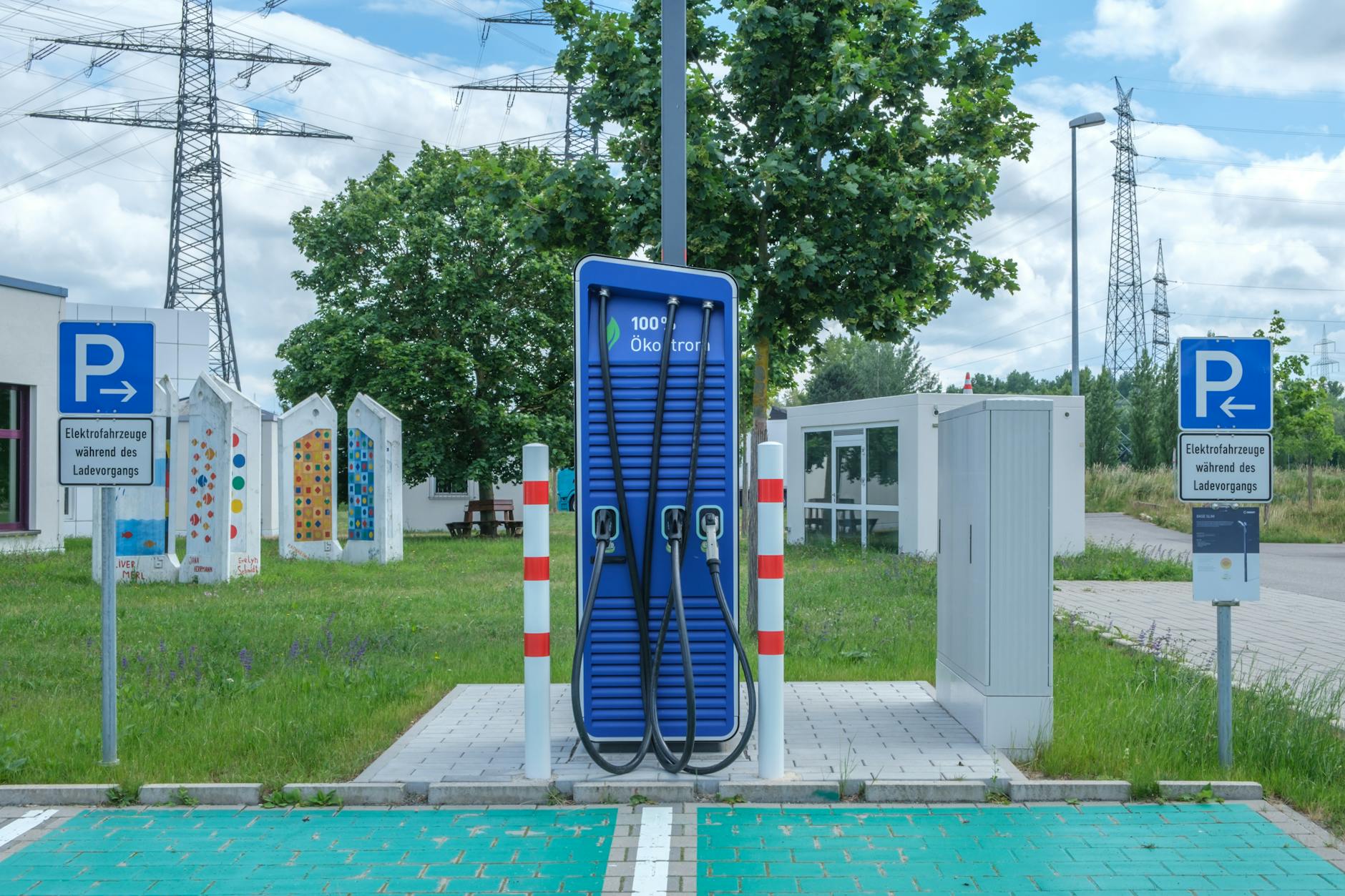
Your first charger should be home charging. Public chargers are improving, but a daily commuter should not depend on them every night. If you have private parking, get the wiring inspected, confirm load availability, install proper earthing, and use the brand-recommended wall box. EV-Wala's home EV charger installation India guide explains the practical site checks in more detail.
For a 100 km commute, most owners will add 10 to 18 kWh back into the battery each night, depending on vehicle efficiency. That is manageable on a home charger if you plug in after dinner and let the car charge slowly overnight. Slow AC charging is also gentler and usually cheaper than routine public fast charging.
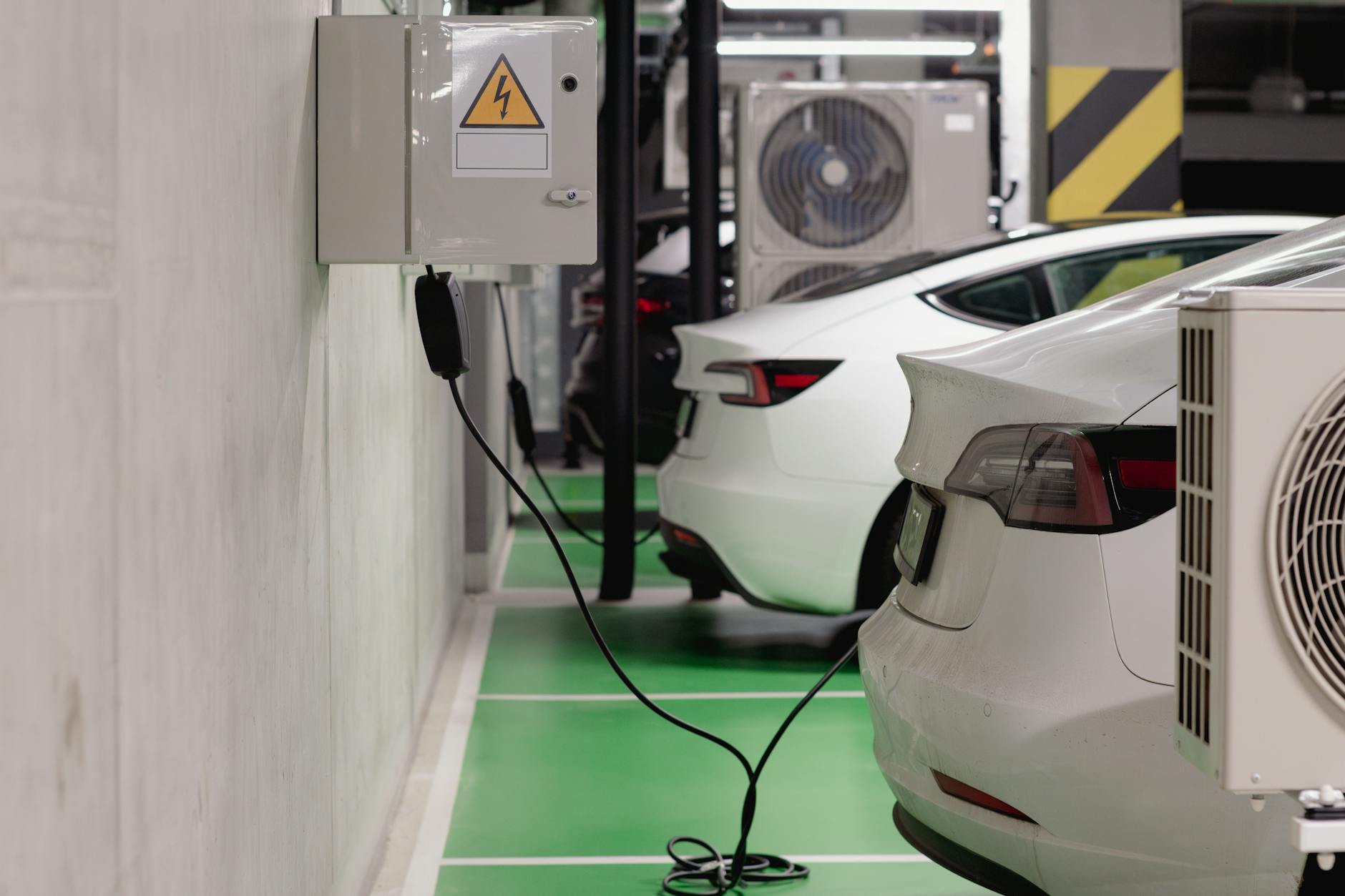
If you live in an apartment, ask the society for written permission before you buy. Clarify cable routing, dedicated meter possibility, billing method, and whether the parking spot is fixed. Apartment friction is one of the biggest hidden EV ownership issues in India. A great EV with no dependable charger is still a compromised purchase.
Keep a public charging backup list for your route. Save two chargers near your office, one near home, and one midway. Do not assume every charger shown in an app is working. For highway routes, read EV-Wala's EV charging stations near me India guide and do a trial charge before relying on a station during a stressful day.
Running cost, insurance and battery checks
The running cost advantage is the main reason a 100 km commuter should consider an EV. At home electricity rates, many electric cars can cost a fraction of an equivalent petrol car per kilometre. The real savings show up when your monthly driving is high. A light 300 km per month user may not recover the EV premium quickly. A 2,000 to 3,000 km per month commuter often sees a much stronger case.
Still, do not ignore insurance, tyres and battery warranty. EV insurance can vary sharply by insured declared value, battery cover, zero depreciation add-ons and city. Before booking, compare quotes and read EV-Wala's electric car insurance cost India 2026 guide. Also ask whether the battery is covered against water ingress, accidental damage and charging-related incidents, because these details matter more in Indian monsoons than glossy launch events suggest.
Battery warranty is another non-negotiable. Ask for the warranty years, kilometre limit, minimum state-of-health promise, transferability for resale, and exclusions. If you keep a car for eight years and drive 100 km daily, your odometer can climb quickly. Read the fine print before you pay the booking amount. EV-Wala's EV battery warranty India 2026 explainer is a good pre-delivery checklist.
Also budget tyres and brakes realistically. EVs are efficient, but instant torque and extra battery weight can wear tyres faster if you drive aggressively. Brakes may last longer because of regeneration, but tyre replacement can become a meaningful ownership cost. If your route has broken roads, check tyre size availability and price before choosing a variant with flashy large wheels.
Recommended shortlist logic for Indian buyers
Start with your parking reality. If you have reliable home charging and need family safety, shortlist a compact electric car first. If your daily route is mostly city roads under 70 kmph, a good compact EV can be easier to live with than a petrol automatic: silent drive, low running cost, less brake wear, and no fuel-station stops. If you need highway confidence, step up to a larger battery rather than trying to stretch a city EV.
If your budget is tight and you ride alone, a premium scooter can be tempting. But for a true 100 km daily commute, be conservative. Test ride your actual route if possible. Check seat comfort, suspension, charging time, boot space, service centre distance and rain performance. For scooter-specific buying logic, compare EV-Wala's Ola S1 Pro long-term review and Ather 450X review.
For buyers choosing between two cars, do not overvalue screen size and connected features. Your commute will care more about seat comfort, AC efficiency, visibility, tyre noise, service response, charging reliability and real range at your normal speed. If a dealer refuses a longer test drive, ask owners in your city. Local owner feedback is more useful than national launch hype because climate, road speeds and charger quality differ by city.
A sensible purchase process looks like this: calculate your daily kilometres, add a 60 to 100 km buffer, confirm charging at home, compare insurance quotes, check battery warranty, then test drive the exact variant. After that, decide. This is less exciting than watching launch videos, but it prevents the most common EV regrets.
Verdict
The best EV for a 100 km daily commute in India in 2026 is the one that returns at least 180 to 220 km in your real driving, charges reliably at home, has a service centre you trust, and does not force you to plan every evening around a charger. For most households, that points to a compact electric car or a long-range variant rather than the cheapest possible EV. For solo riders with predictable city use, a premium electric scooter can work, but only with disciplined daily charging and a realistic view of range drop.
If you are still unsure, do not start with the model. Start with the route. Drive the route, note average speed, parking time, charger access and worst-case traffic. Then shortlist EVs that make that routine boring. A good commuter EV should feel uneventful: plug in, drive, come back, repeat. That boring reliability is exactly what saves money and mental energy over thousands of kilometres.
FAQ
Is 100 km per day too much for an electric car in India?
No. For many Indian buyers, 100 km per day is exactly where an electric car starts making financial sense. The key is buying enough real-world range and setting up dependable home charging. A car that returns 180 to 220 km in your use can handle 100 km days comfortably.
Can an electric scooter handle a 100 km daily commute?
Some premium scooters can, but it depends on route, speed, rider weight, pillion use and charging discipline. If you regularly ride fast or cannot charge every day, choose a scooter with a bigger battery or consider an electric car instead.
Should I fast charge every day?
No. Use home AC charging for daily use whenever possible. Public DC fast charging is best treated as backup for long days, emergencies or highway trips. Daily fast charging may be costlier and is less convenient than simply plugging in overnight.
How much range should I keep as reserve?
Try to return home with at least 25 percent battery remaining. This gives you emergency margin, reduces anxiety and helps avoid deep discharge habits. If a vehicle regularly returns with very low charge after your commute, it is not the right fit.
What should I check before booking a commuter EV?
Check real-world range, home charger feasibility, service centre distance, battery warranty terms, insurance premium, tyre cost, and public chargers on your route. A short showroom test drive is not enough for a 100 km daily-use decision.
EV-Wala editorial desk
Practical electric mobility coverage for Indian roads, budgets, and charging realities. Read our editorial standards and methodology.